
The shrubsteppe may appear quiet, but it’s alive with insects whose presence—or absence—reveals the health of this unique dryland ecosystem. All five featured insects are state candidate species per the Washington Department of Fish & Wildlife (WDFW, 2024), signifying that their populations are under evaluation for potential listing due to threats like habitat loss, hydrologic changes, and fragmentation.
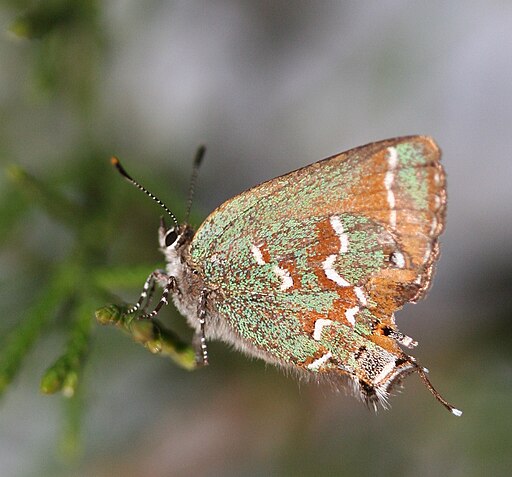
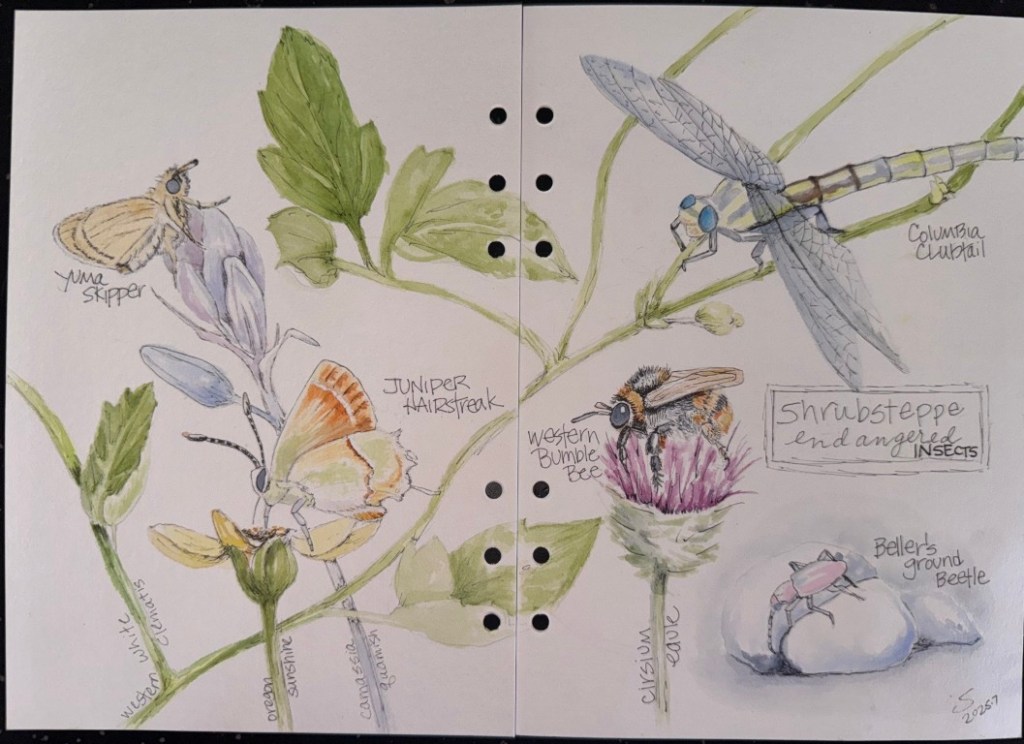
Juniper Hairstreak (Callophrys gryneus)
This small butterfly, about 1 inch (25 mm) in wingspan, has dusky brown forewings and iridescent green-hinted hindwings edged with white, sometimes with bronze highlights. As a host specialist, its larvae feed only on native juniper. Its presence signals intact juniper–shrubsteppe relationships—critical habitat now increasingly fragmenting (WDFW, 2025a).
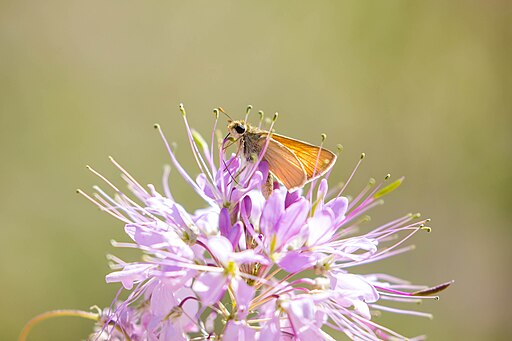
Yuma Skipper (Ochlodes yuma)
A warm-toned butterfly roughly 1 to 1.25 inches (25–32 mm) in wingspan, characterized by golden-orange wings edged in dark brown, the Yuma skipper inhabits reed beds in desert-edge wetlands. As a wetland specialist, its larvae depend on common reed (bulrush) and sedge. Its limited distribution across isolated eastern Washington marshes marks hydrologically intact microhabitats—its decline would reflect drying or disturbance of these rare wetlands (WDFW, 2024).
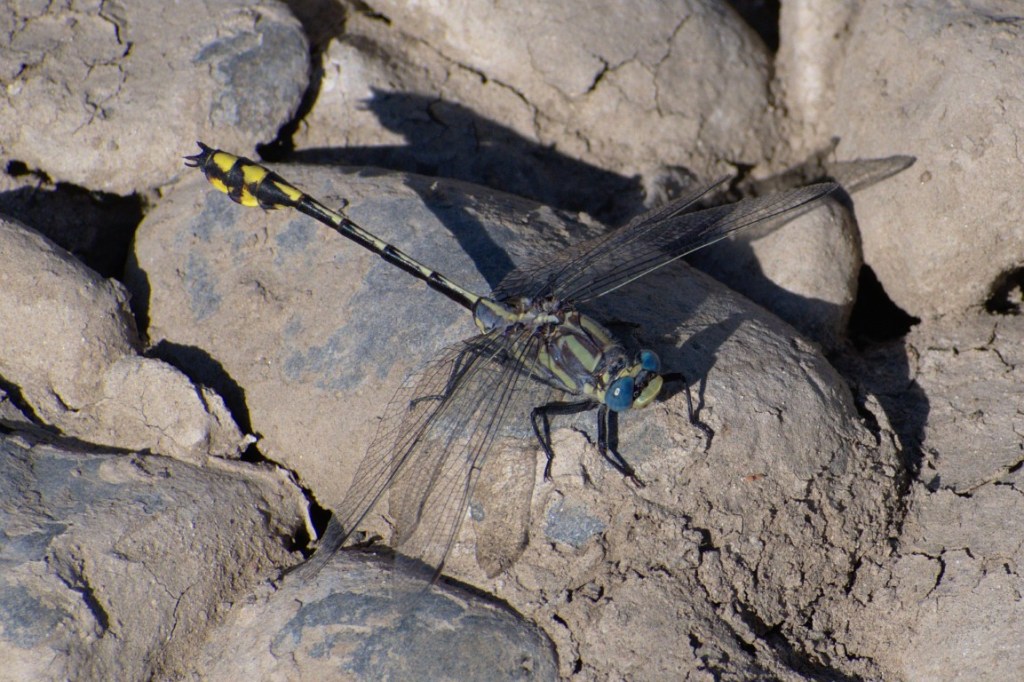
Columbia Clubtail (Gomphurus lynnae)
This sleek dragonfly measures approximately 1.6 to 1.8 inches (40–45 mm) in length, distinguished by a black body with bright yellow striping, blue eyes, a powdery thorax, and a clubbed abdomen. Its larvae spend up to four years in clean, flowing rivers before emerging. As a riverine indicator, its presence reflects high oxygen, low sediment, and natural flow regimes—conditions threatened by dams and pollution (WDFW, 2024).
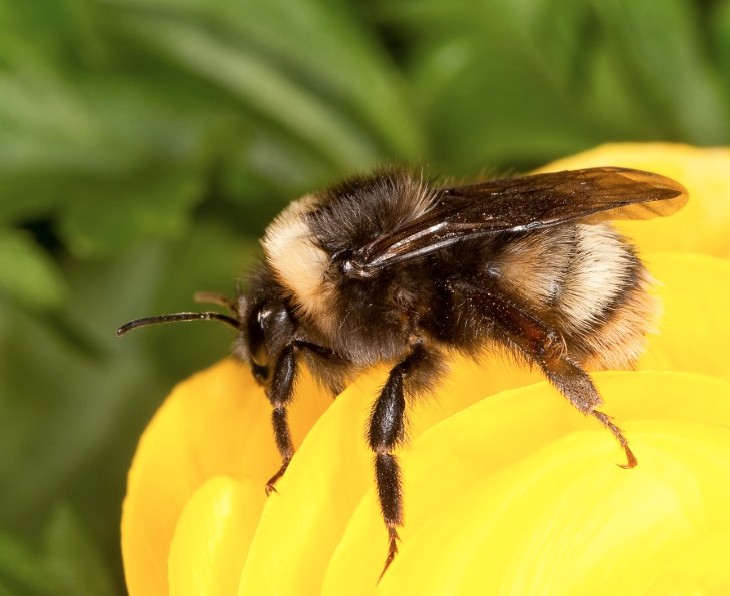
Western Bumble Bee (Bombus occidentalis)
Recognizable by its black body, white tail patch, and yellow thoracic band, this large bee measures about 0.6 to 1 inch (15–25 mm) in length. It is a generalist pollinator across shrubsteppe and montane meadows. Though once widespread, its population has declined dramatically across Washington and western North America. Because generalist pollinators tend to be resilient, its decline flags widespread disruptions in plant–pollinator networks, floral diversity, and even soil-nesting habitats (WDFW, 2024; WDFW, 2025).
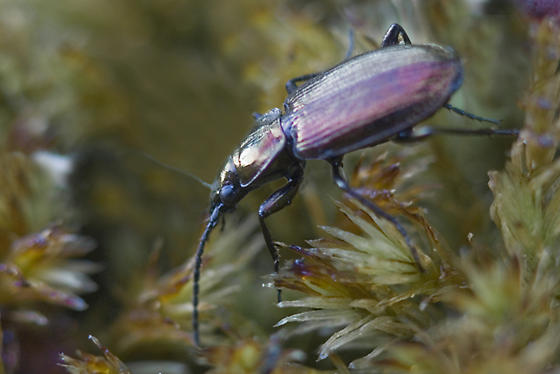
Beller’s Ground Beetle (Agonum belleri)
This sleek and metallic beetle—often green, bronze, or blue—is about 0.3 to 0.4 inches (8–10 mm) long and navigates sandy shrubsteppe soils near the Columbia River. As a ground predator, it likely controls soil-dwelling invertebrates and requires loose, structured soil. Its rarity suggests it is sensitive to soil disturbance, compaction, and invasive vegetation—so its presence is a marker of undisturbed microhabitat (WDFW, 2025b).
Why These Insects Matter
Together, these five creatures represent key ecosystem functions:
- Plant–insect specialization (juniper hairstreak)
- Hydrologic sensitivity (Yuma skipper)
- River quality dependencies (Columbia clubtail)
- Pollination infrastructure (Western bumble bee)
- Soil-surface invertebrate control (Beller’s ground beetle)
Their imperiled status signals broader ecological decline in habitat connectivity, water regimes, floral diversity, and soil integrity. Recognizing these insect indicators provides a window into ecosystem resilience—and invites action before conditions deteriorate further.
Nature Art
What You Can Do in Your Own Backyard
Even small actions can protect shrubsteppe biodiversity:
- Reduce or eliminate pesticide use. Many insecticides are toxic to non-target native species.
- Plant native flowering species. Buckwheat, fleabane, milkweed, and penstemon support pollinators and host specialists.
- Protect and restore sagebrush habitat. Volunteer, advocate, or donate to groups working in eastern Washington.
- Share these stories. Most people have never heard of these insects—spreading awareness helps build support.
References
Smith, I. (2025). Endangered Insects of WA Shrubsteppe Field Journal. Posted with permission.
Washington Department of Fish & Wildlife. (2024). Washington state listed and candidate species list. Public domain. Retrieved July 29, 2025, from https://wdfw.wa.gov/sites/default/files/2024-03/wa-state-listed-and-candidate-species-list.pdf
Washington Department of Fish & Wildlife. (2024). Wildlife diversity grant opportunity (BN25–27) [PDF]. Public domain. Retrieved July 29, 2025, from https://wdfw.wa.gov/sites/default/files/2024-10/wdfw-bn25-27-wildlife-diversity-grant-opportunity.pdf
Washington Department of Fish & Wildlife. (2025a). Juniper hairstreak (Callophrys gryneus) [Species profile]. Public domain. Retrieved July 29, 2025, from https://wdfw.wa.gov/species-habitats/species/callophrys-gryneus
Washington Department of Fish & Wildlife. (2025b). Beller’s ground beetle (Agonum belleri) [Species profile]. Public domain. Retrieved July 29, 2025, from https://wdfw.wa.gov/species-habitats/species/agonum-belleri
Washington Department of Fish & Wildlife. (2025c). Yuma skipper (Ochlodes yuma) [Species profile]. Public domain. Retrieved July 29, 2025, from https://wdfw.wa.gov/species-habitats/species/ochlodes-yuma
Washington Department of Fish & Wildlife. (2025d). Columbia clubtail (Gomphurus lynnae) [Species profile]. Public domain. Retrieved July 29, 2025, from https://wdfw.wa.gov/species-habitats/species/gomphurus-lynnae
Washington Department of Fish & Wildlife. (2025e). Western bumble bee (Bombus occidentalis) [Species profile]. Public domain. Retrieved July 29, 2025, from https://wdfw.wa.gov/species-habitats/species/bombus-occidentalis
Washington Department of Fish & Wildlife. (2025f). Western bumble bee status review update (Publication #02441). Public domain. Retrieved July 29, 2025, from https://wdfw.wa.gov/publications/02441
Photo References
Agricultural Research Service, U.S. Department of Agriculture. (2015). Western bumble bee (Bombus occidentalis) [Photograph]. Wikimedia Commons. Public domain. Creative Commons. Retrieved July 29, 2025, from https://en.wikipedia.org/wiki/Bombus_occidentalis#/media/File:Bombus_occidentalis.jpg
Holtrop, K. / Washington Department of Fish and Wildlife. (n.d.). A Beller’s ground beetle found in the Dungeness watershed on the Olympic Peninsula [Photograph]. Washington Department of Fish and Wildlife. Public domain. Retrieved July 29, 2025, from https://wdfw.wa.gov/species-habitats/species/agonum-belleri
McCarty, M. (2009). Juniper hairstreak (Callophrys gryneus) [Photograph]. Wikimedia Commons. Creative Commons Attribution 3.0 (CC BY 3.0). Retrieved July 29, 2025, from https://commons.wikimedia.org/wiki/File:Juniper_Hairstreak,_Megan_McCarty105.jpg
McMasters, M. (2023). Yuma skipper (Ochlodes yuma) [Photograph]. Wikimedia Commons. Creative Commons Attribution 2.0 (CC BY 2.0). Retrieved July 29, 2025, from https://commons.wikimedia.org/wiki/File:Yuma_skipper_2023.jpg
Zvkemp. (2019). Columbia clubtail (Gomphurus lynnae) [Photograph]. Wikimedia Commons. Creative Commons Attribution 4.0 (CC BY 4.0). Retrieved July 29, 2025, from https://commons.wikimedia.org/wiki/File:Gomphurus_lynnae.jpg

 wild sprout


You must be logged in to post a comment.