
Washington’s shrubsteppe region offers a vast and quiet landscape, strikingly different from the state’s iconic towering mountains and tree-lined lowlands. The shrub steppe area includes rolling plains and unique flora and fauna stretching across the eastern landscape. Sadly, this delicate ecosystem is rapidly disappearing due to factors like agricultural expansion and invasive species, leading to a loss of vital habitat for unique plants and animals.
“We abuse land because we regard it as a commodity belonging to us. When we see land as a community to which we belong, we may begin to use it with love and respect.”
-Leopold, 1949/2020
A View into Washington’s Shrubsteppe
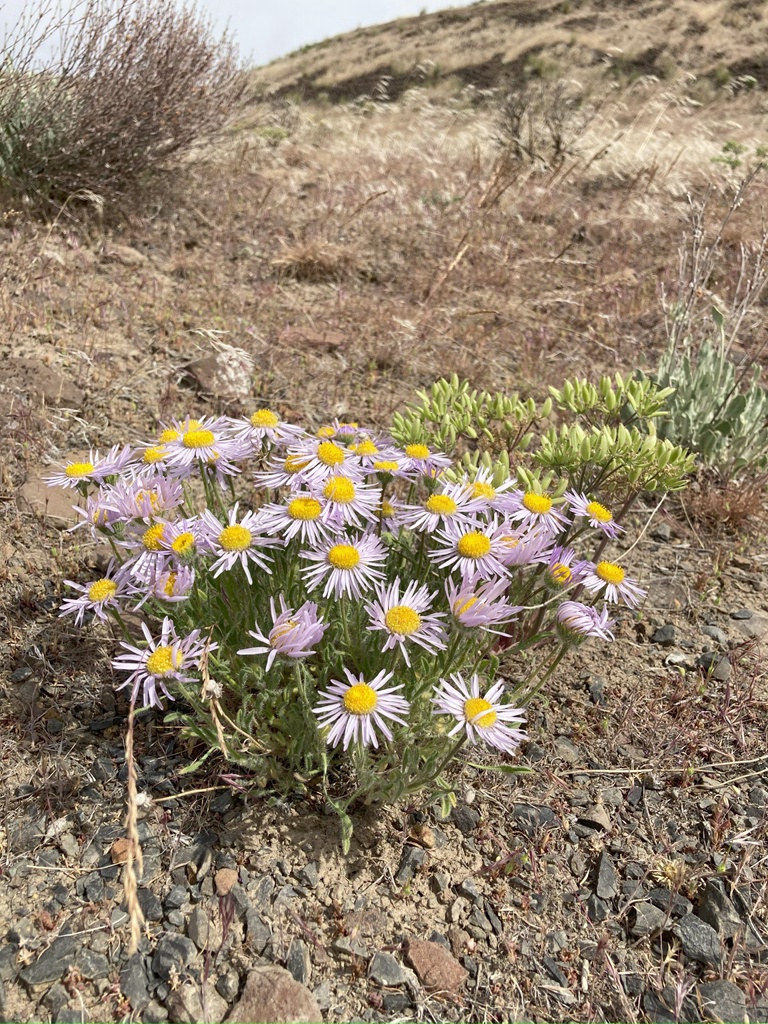
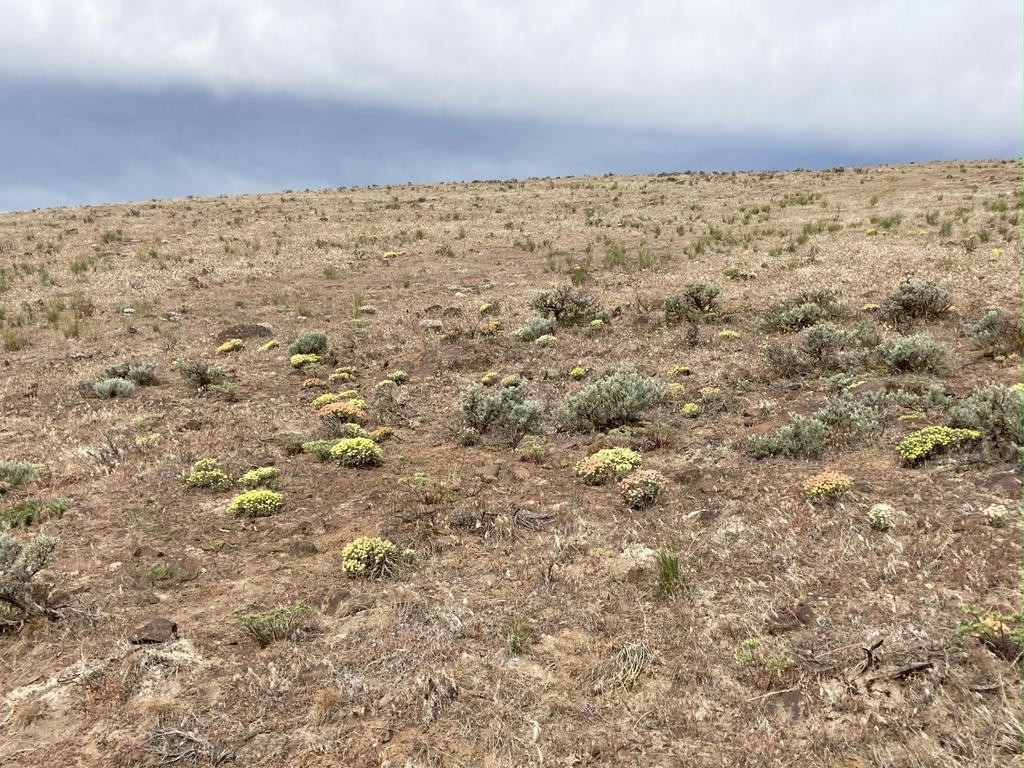
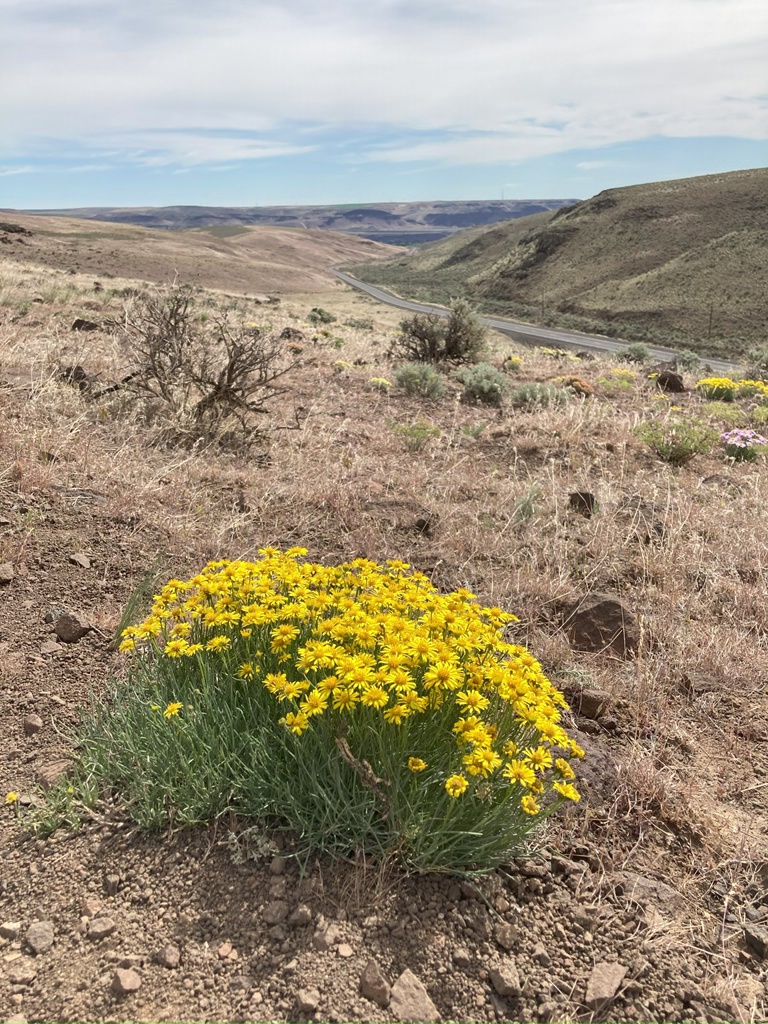
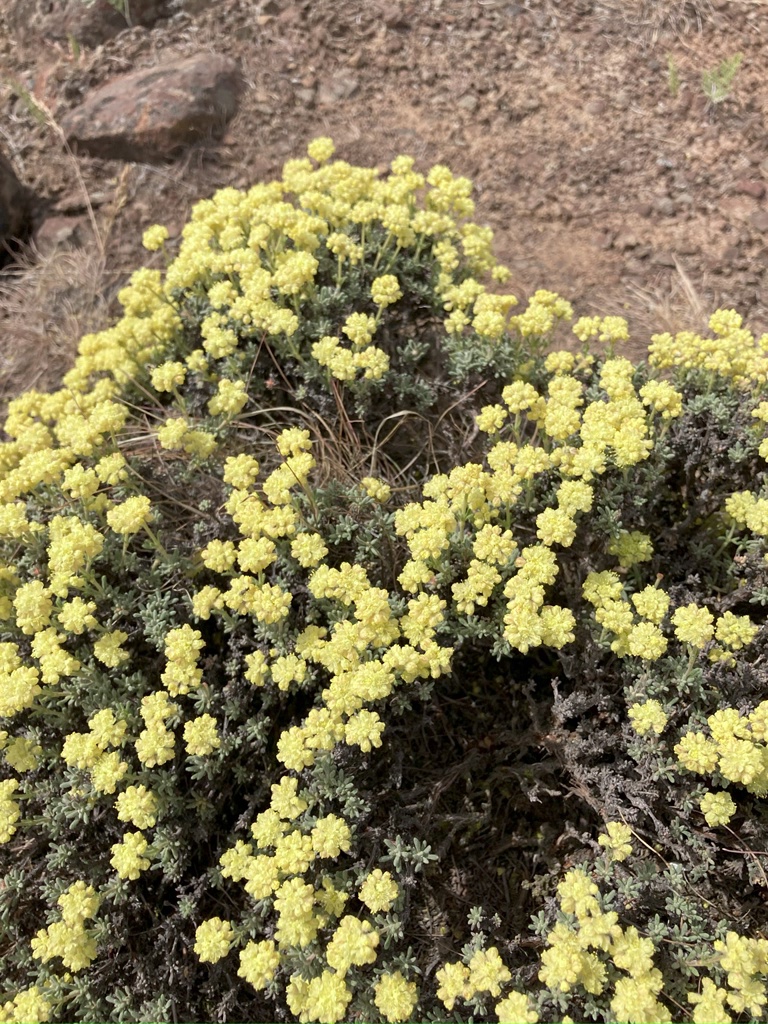
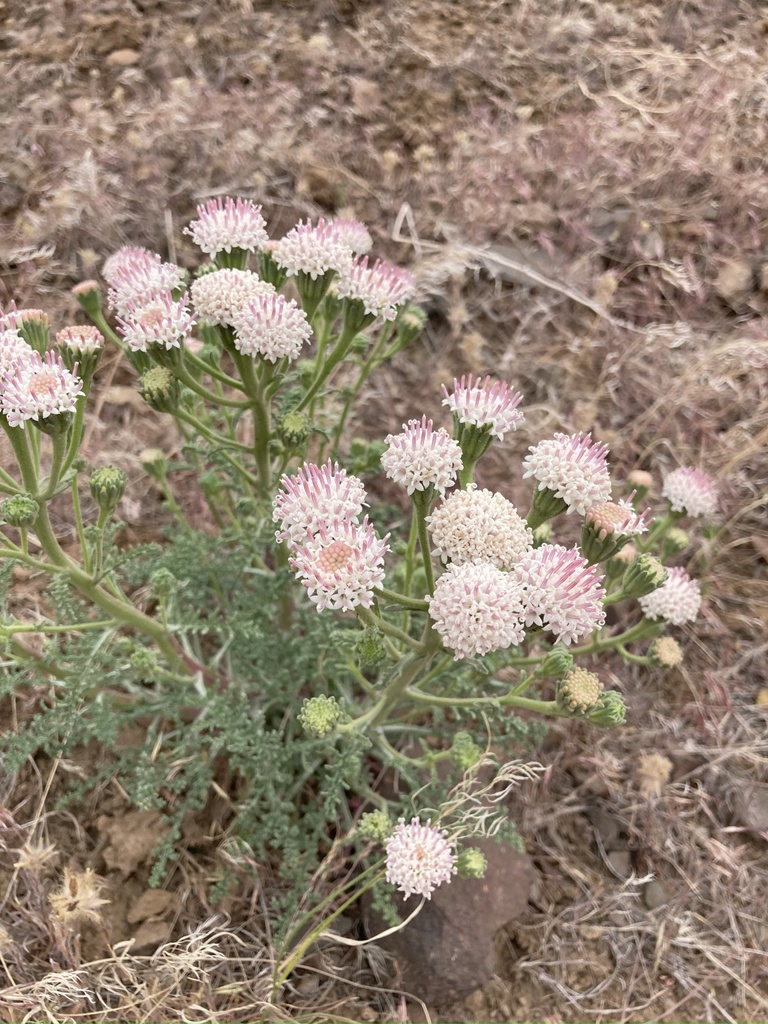
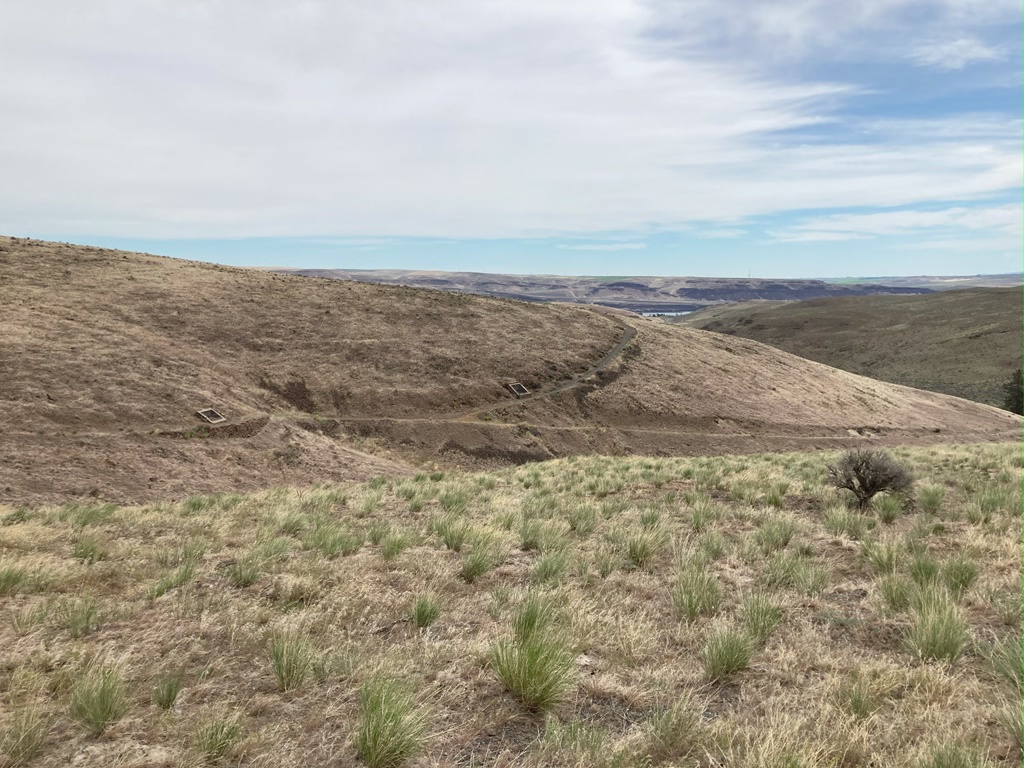
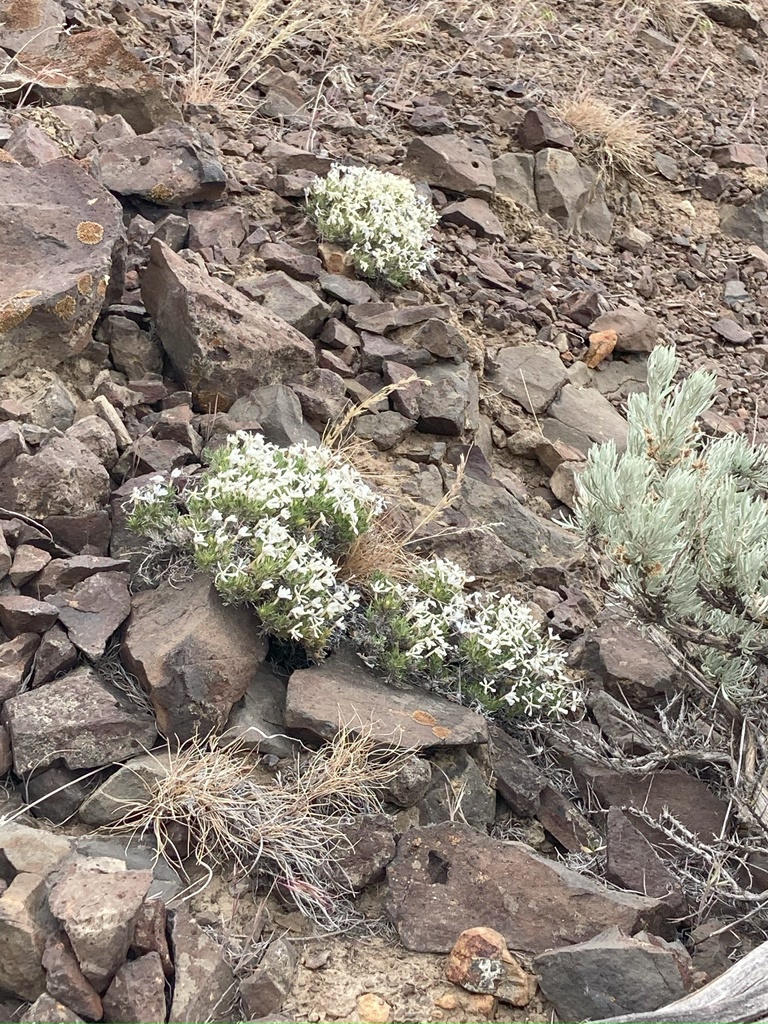
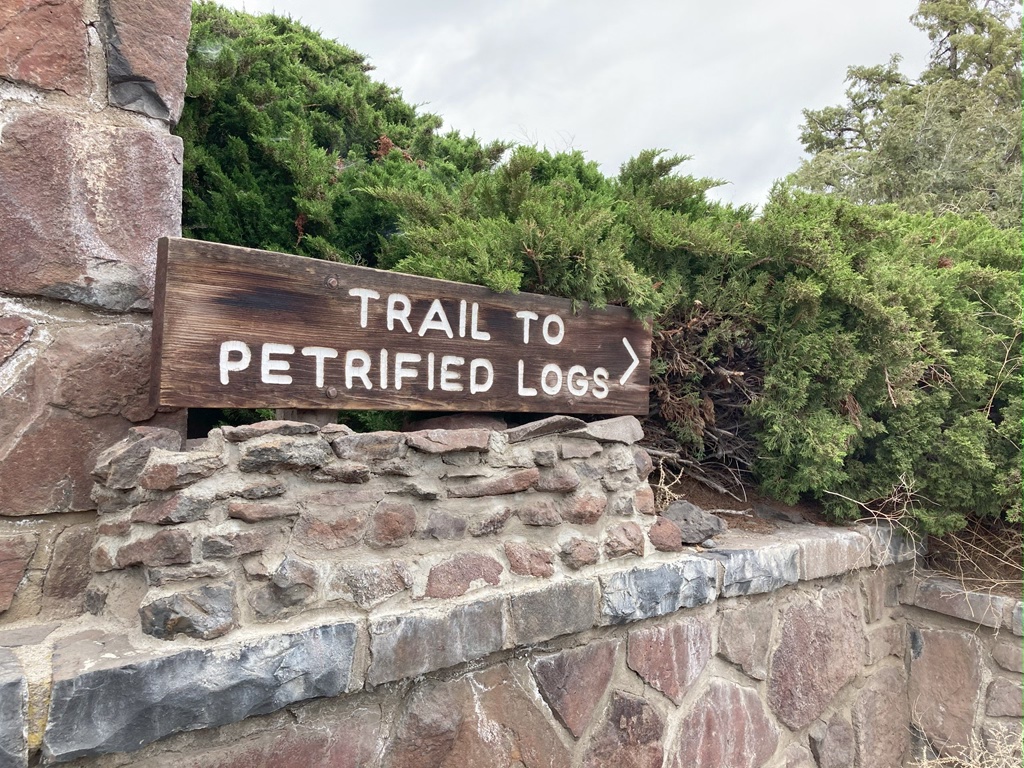
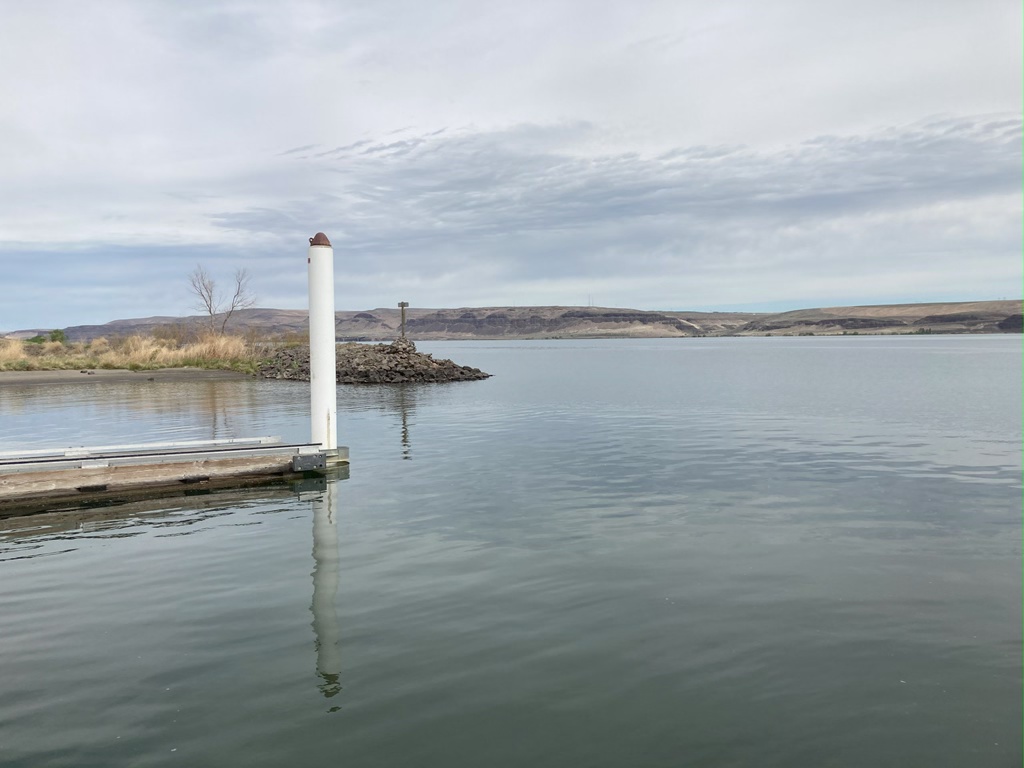
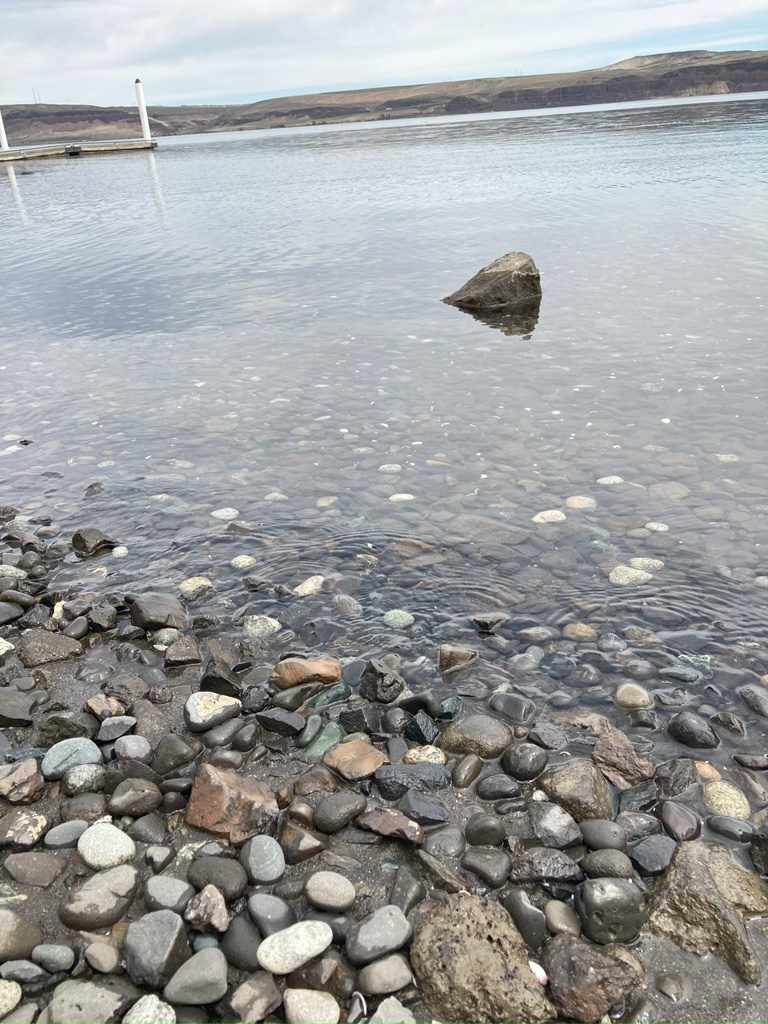
Here are a few springtime photos from Vantage, Washington, capturing the rolling hills of the shrubsteppe landscape, stretching beneath open skies. The images include views of the Columbia River which winds through the terrain, alongside native wildflowers such as carpet phlox (Phlox hoodii), Douglas’ dustymaiden (Chaenactis douglasii), sulphurflower buckwheat (Eriogonum umbellatum), Mojave aster (Xylorhiza tortifolia), and narrowleaf goldenbush (Ericameria linearifolia), all of which are native to the region and thrive in the arid conditions of central Washington. Grasses add texture and movement to the scenery, highlighting the resilience of life in this dry environment. Nearby, the Ginkgo Petrified Forest State Park offers a glimpse into the area’s ancient past, when old growth forests once covered this land before dramatic shifts in climate and geology shaped the shrubsteppe we see today.

Description
The shrubbsteppe is an ecosystem that spans throughout parts of western United States and southern British Columbia. Shrubbsteppe ecosystems are arid, and are largely grassy plains with sagebrush, grasses, and woody shrubs (WDFW, n.d.). The ground is covered in a cryptobiotic crust– consisting of lichens, algae, fungi, bacteria, and mosses– which is common in arid habitats (Pacific Northwest National Laboratory, 2019). According to the Washington Department of Fish and Wildlife, big sagebrush (Artemisia tridentata) is common, along with shrubs such as antelope bitterbrush (Purshia tridentata), stiff sagebrush (Artemisia rigida), and three-tip sagebrush (Artemisia tripartita), and grasses such as Idaho fescue (Festuca idahoensis), needle-and-thread (Hesperostipa comata), Sandberg bluegrass (Poa secunda), and more. In Washington, species that inhabit the shrubsteppe, like the Greater sage-grouse, sagebrush sparrow, and burrowing owl, are not found in any other part of the state. There are also endangered species that are negatively impacted by shrubsteppe habitat loss, such as the pygmy rabbit, northern leopard frog, ferruginous hawk, and Columbian sharp-tailed grouse (WDFW, n.d.).
Status
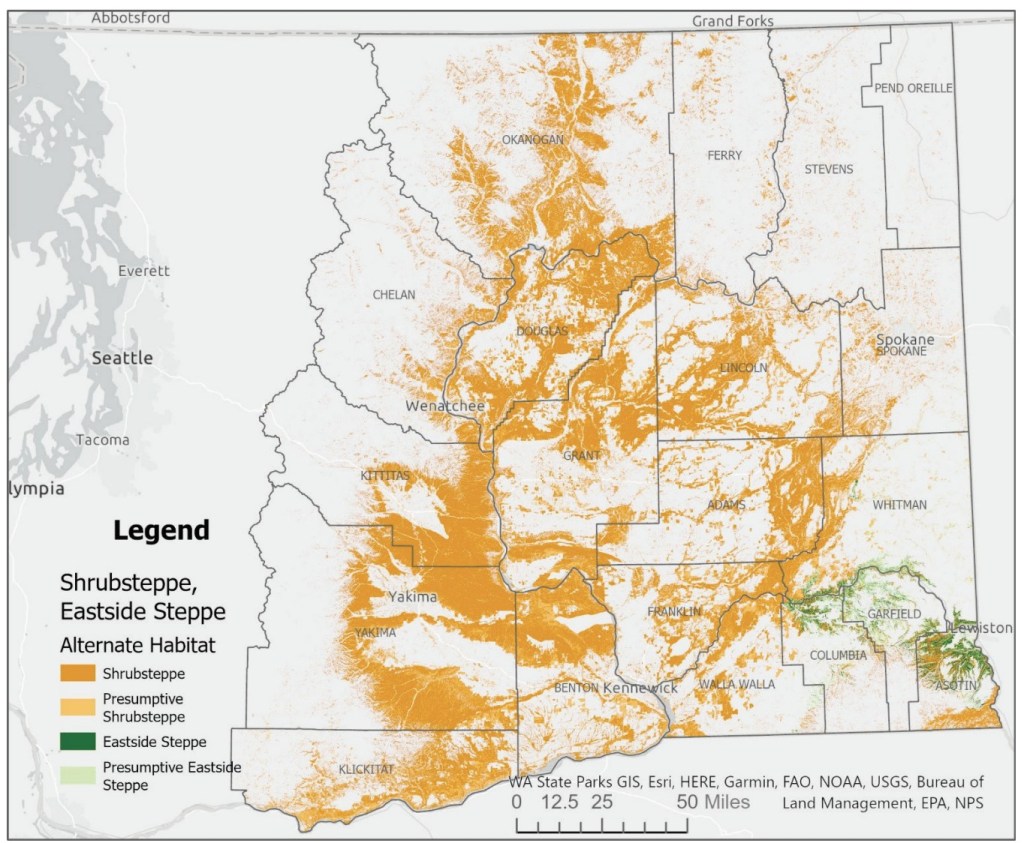
According to the map above, Washington’s shrubbsteppe spans across the Columbia Plateau (or Columbia Basin), though the ecosystem is largely fractured (WDFW, 2022). Historically, there was 10.4 million acres of shrubbsteppe in Washington, and now only 20% of it remains due to conversion to agriculture and the introduction and domination of nonnative grasses. Other threats include increased fires and human development through residental areas as well as roads and wind and solar power (WDFW, n.d.).
Conservation
The Washington Department of Fish and Wildlife works to conserve the habitat through the Washington Shrubbsteppe Restoration and Resilience Initiative, the Priority Habitat and Species Program, and the Stat Wildlife Action Plan. Each of these programs work to create conservation action plans, distribute information on how to conserve the habitat to local cities and counties, and how to support local communities with the threat of increasing fires. There are also restoration efforts via staff and volunteers to plant native plants and remove invasive ones (WDFW, n.d.).
Here’s a youtube short of the shrubsteppe:
Shrub-Steppe in Bloom: Calendar of Events
These annual festivals and programs offer ways to celebrate, protect, and connect with this vital landscape through art, nature, and conservation.
- Othello Sandhill Crane Festival
Celebrate the spring migration of thousands of Sandhill Cranes in the Columbia Basin. This March festival features birding tours, art, and expert-led talks.
March 21–23, 2025 - Washington Native Plant Appreciation Week
A statewide April celebration of native flora—featuring hikes, plant sales, and restoration events, many focused on the shrub-steppe.
Late April 2025 (dates vary by region) - Get Intimate with the Shrub-Steppe (KEEN)
Held near Ellensburg in the Yakima River Canyon, this interactive May event offers wildflower hikes, live wildlife, and hands-on conservation activities.
May 9–11, 2025 - Images of the Shrub-Steppe Art Exhibit
This juried September art show, hosted by Cowiche Canyon Conservancy and Boxx Gallery in Tieton, showcases artwork inspired by shrub-steppe landscapes.
September 6–28, 2025
Nature Art
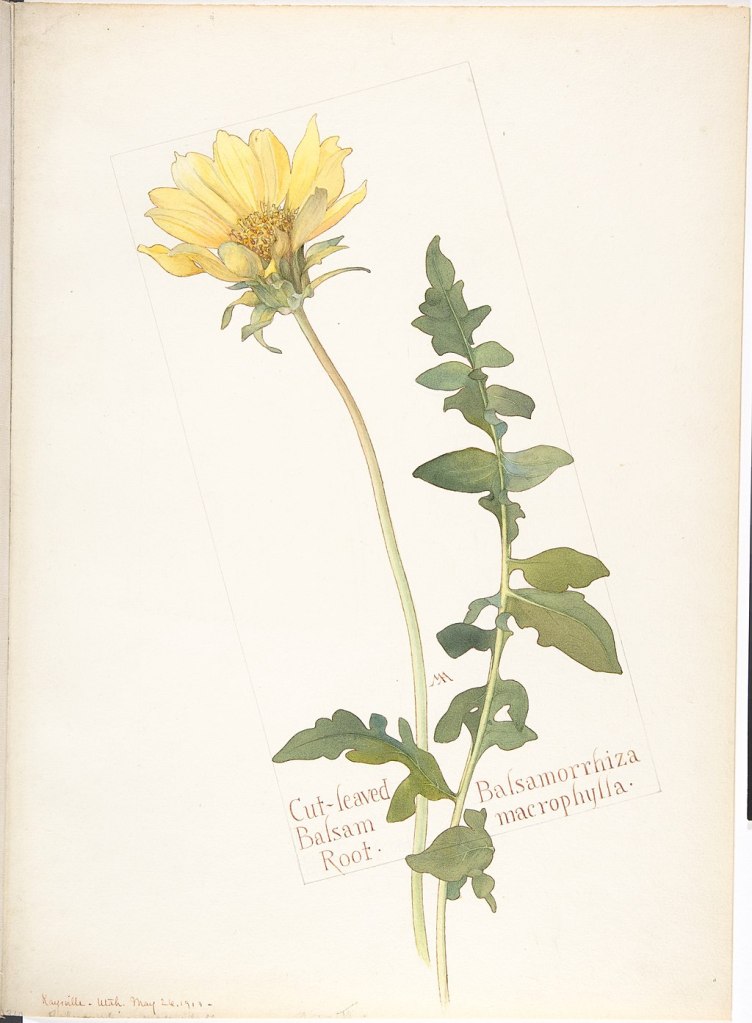
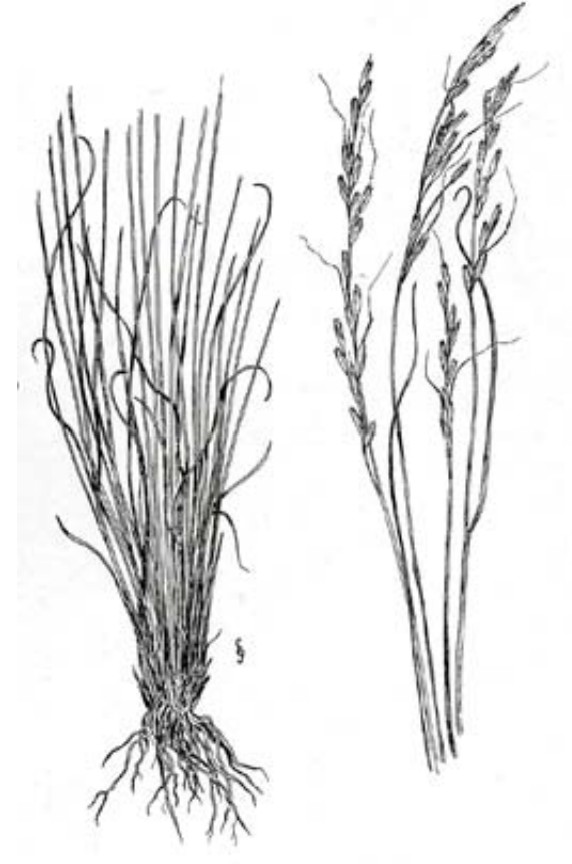
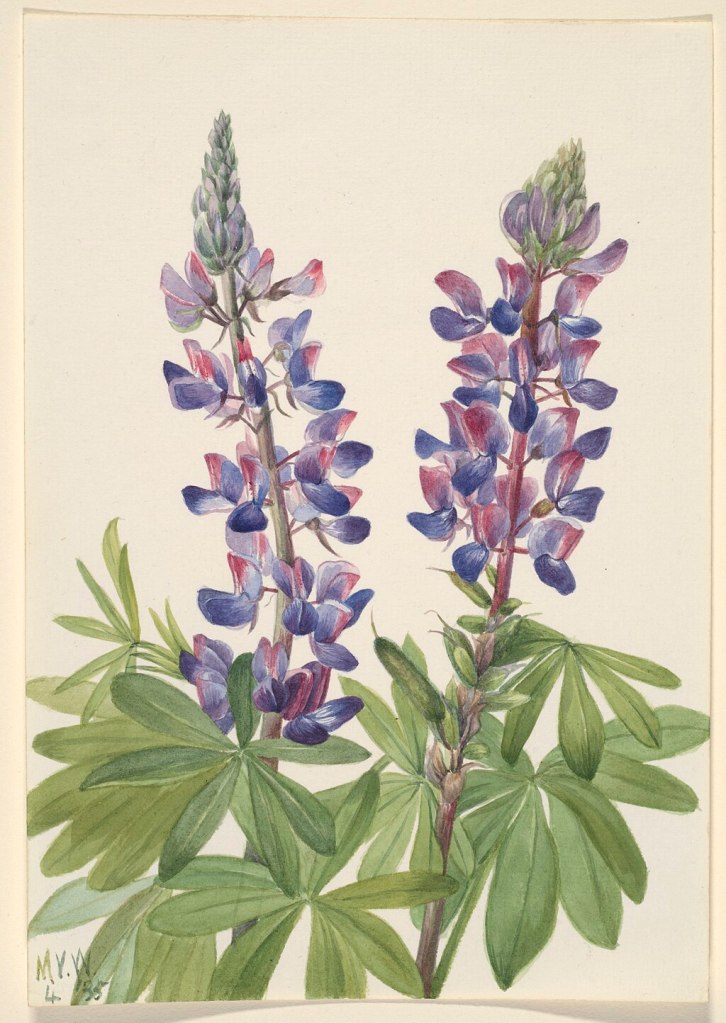
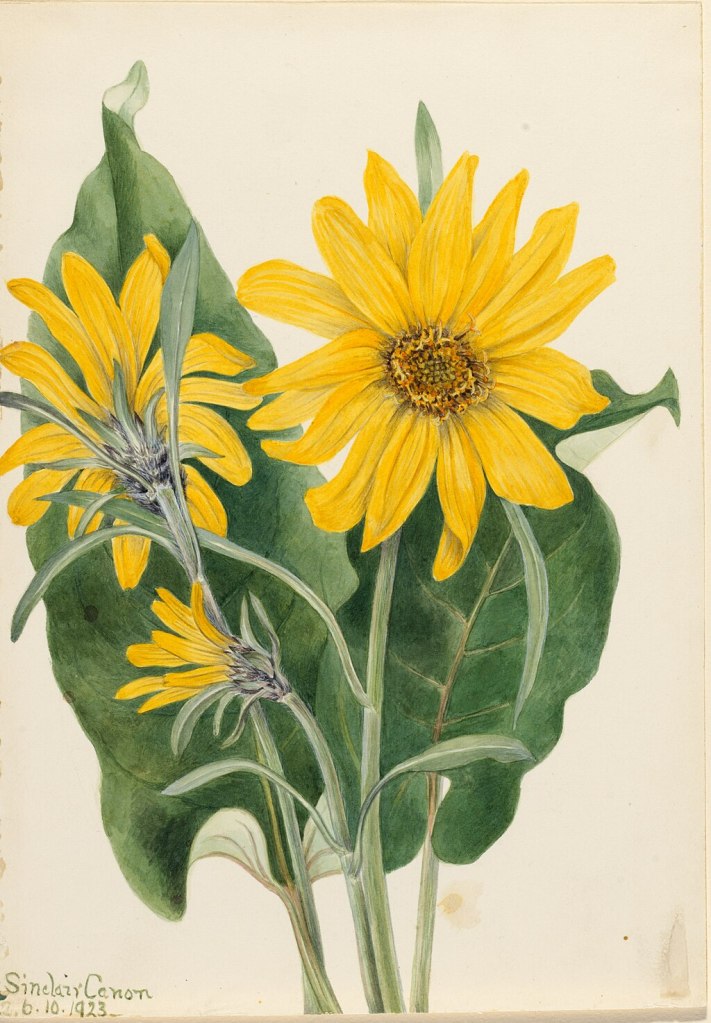
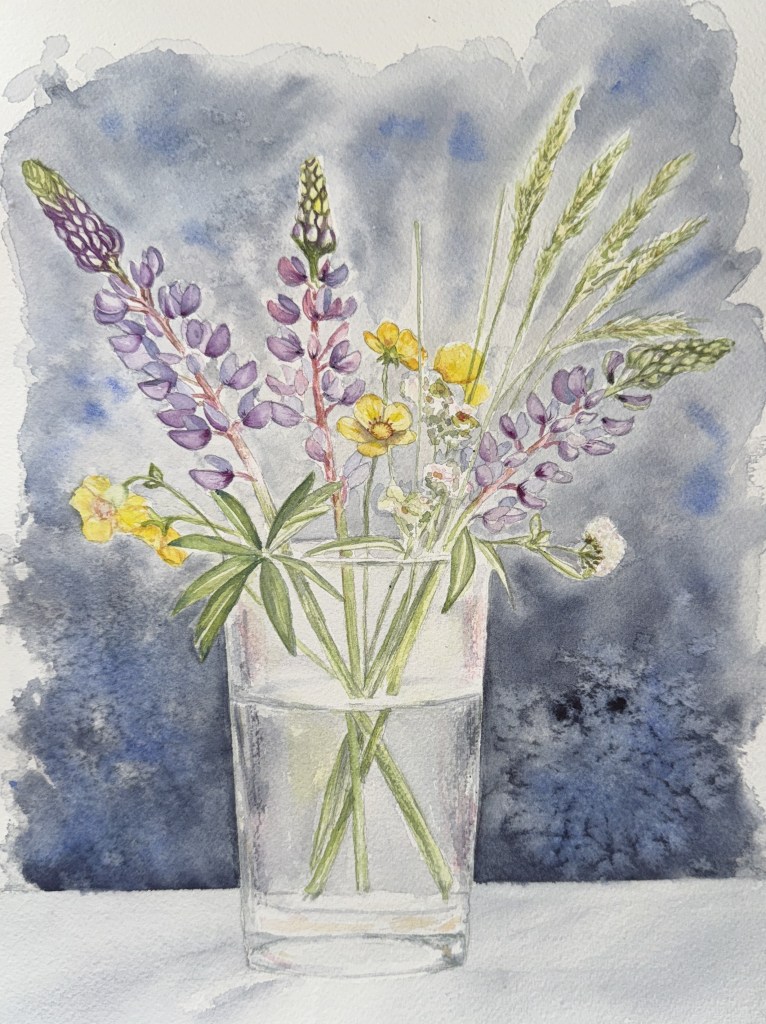
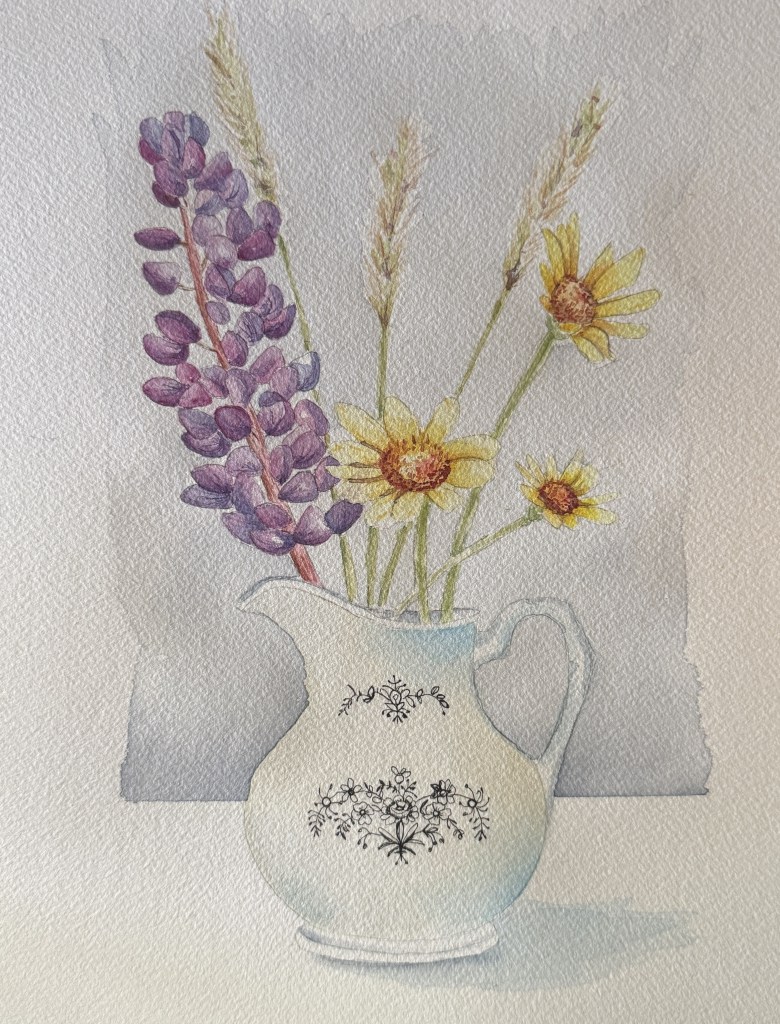
These nature artworks beautifully capture native plants of the American West. Cut-leaved Balsam Root (Balsamorrhiza macrophylla) (Armstrong, 1913) showcases a detailed botanical illustration with fine linework and soft coloring that highlights the plant’s intricate leaf structure. Lupine (Lupinus fornosus) (Walcott, 1935) features delicate purple blooms, rendered with precision and an eye for the graceful curves of the flower’s form. Balsamroot (Balsamorhiza sagittata) (Walcott, 1923) depicts the plant’s bright yellow blossoms and large, arrow-shaped leaves in a vibrant, naturalistic style. Stipa thurberiana and Stipa occidentalis (USDA, 2006) are presented in a clear, scientific rendering that emphasizes their slender stems and feathery seed heads, characteristic of USDA’s modern plant guide illustrations. Washington Shrubsteppe Bouquet In Glass (Smith, 2025) captures lupine, balsamroot, Therber’s needlegrass, and buckwheat blossoms in a glass. Washington Shrubsteppe Bouquet Pitcher (Smith, 2025) captures lupine, balsamroot, and Thurber’s needlegrass arranged in a 19th-century porcelain pitcher, reminiscent of those found in the “Wild West.”
References
Armstrong, M. N. (1913). Cut-leaved Balsam Root, Balsamorrhiza macrophylla [illustration]. Public Domain. Retrieved March 20, 2025, from https://commons.wikimedia.org/wiki/File:Cut-leaved_Balsam_Root,_Balsamorrhiza_macrophylla_MET_DP808324.jpg
Leopold, A. (2020). A Sand County almanac and sketches here and there (Anniversary ed.). Oxford University Press. (Original work published 1949)
Pacific Northwest National Laboratory. Resource cards. (2019, October). Retrieved March 15, 2025, from https://workbasedlearning.pnnl.gov/pals/resource/cards/cryptogamic_crust.stm
Smith, I. (2025). Washington Shrubsteppe Bouquet in Pitcher [photograph of painting]. Shared with permission.
Smith, I. (2025). Washington Shrubsteppe Bouquet in Glass [photograph of painting]. Shared with permission.
United States Department of Agriculture (USDA), Natural Resources Conservation Service. (2006). Plant guide: Sand bluestem (Andropogon hallii Hack.) [PDF]. USDA NRCS. Retrieved March 15, 2025, from https://plants.usda.gov/DocumentLibrary/plantguide/pdf/pg_acth7.pdf
Walcott, M.V. (1923). Balsamroot (Balsamorhiza sagittata) [illustration]. Public Domain. Retrieved March 20, 2025, from https://commons.wikimedia.org/wiki/File:Balsamroot_%28Balsamorhiza_sagittata%29_by_Mary_Vaux_Walcott-saam1970.355.410.jpg
Walcott, M.V. (1935). Lupine (Lupinus fornosus) [illustration]. Public Domain. Retrieved March 20, 2025, from https://commons.wikimedia.org/wiki/File:Lupine_%28Lupinus_fornosus%29_by_Mary_Vaux_Walcott-saam1970.355.295.jpg
Washington Department of Fish and Wildlife (WDFW). (2022). PHS Shrubsteppe and Eastside Steppe Map. Retrieved March 20, 2025, from https://wdfw.wa.gov/sites/default/files/2023-05/shrubsteppe-tech-report.pdf
Washington Department of Fish & Wildlife. (n.d.). Shrubsteppe. Retrieved March 15, 2025, from https://wdfw.wa.gov/species-habitats/ecosystems/shrubsteppe#:~:text=The%20shrubsteppe%20is%20an%20arid,sagebrush%20sparrow%2C%20and%20burrowing%20owl
Visual Sources & Credits for the Shrubsteppe Video
Thank you for your interest in the visuals behind our video on Washington’s shrubsteppe—one of North America’s most endangered ecosystems. Below, you’ll find detailed information and proper credit for each video and photo featured.
Media Sources
Music by Mikhail Smusev from Pixabay
Bureau of Land Management. (2012). Greater sage-grouse (Centrocercus urophasianus) [Video]. Wikimedia Commons. Public domain. Retrieved July 6, 2025, from https://commons.wikimedia.org/wiki/File:Greater_sage-grouse_(Centrocercus_urophasianus).webm
Bureau of Land Management Oregon & Washington. (2015, August 11). Bendire Complex wildfires – 2015 [Video]. Wikimedia Commons. Public domain. Retrieved July 7, 2025, from https://commons.wikimedia.org/wiki/File:Bendire_Complex_wildfires_%E2%80%93_2015_(20758642122).webm
Jakhar, K. (n.d.). Burning the grass land [Video]. Pexels. https://www.pexels.com/video/burning-the-grass-land-7955458/
Ritter, T. (n.d.). Harvest, grain harvest, agriculture [Video]. Pixabay. https://pixabay.com/videos/harvest-grain-harvest-agriculture-86117/
U.S. Bureau of Land Management. (2016). Hungate Canyon, Moses Coulee, Columbia River Plateau [WebM video]. Wikimedia Commons. Public Domain. Retrieved July 12, 2025, from https://commons.wikimedia.org/wiki/File:Hungate_Canyon,_Moses_Coulee,_Columbia_River_Plateau_(26961331242).webm
U.S. Fish and Wildlife Service. (2011). Ferruginous Hawk, from American Birds 1 [Video]. U.S. Fish and Wildlife Service. Public domain. Retrieved July 5, 2025, from https://digitalmedia.fws.gov/digital/collection/videos/id/161/rec/2
U.S. Fish and Wildlife Service. (2012). Sandhill Crane, from American Birds 6: Long-legged Wading Birds [Video]. National Digital Library. Public domain. Retrieved July 7, 2025, from https://digitalmedia.fws.gov/digital/collection/videos/id/60/rec/1
U.S. Fish and Wildlife Service. (2015). American Birds 12: Sharp-tailed Grouse [Video]. National Digital Library. Public domain. Retrieved July 5, 2025, from https://digitalmedia.fws.gov/digital/collection/videos/id/104/rec/5
Videvo. (n.d.). Pair of burrowing owls [Video]. Videvo. Public domain. Retrieved July 6, 2025, from https://www.videvo.net/video/pair-of-burrowing-owls/4461/#rs=video-box
Licensing & Use
Most visuals featured in this video are either in the public domain or licensed under terms that allow for free use with attribution. We encourage viewers and educators to verify each item’s licensing status by visiting the original source links.
About the Shrubsteppe Ecosystem
The shrubsteppe is a dry, open landscape of sagebrush, bunchgrasses, and wildflowers found in parts of the western United States. Though often overlooked, it supports a rich web of life—including species like the Greater Sage-Grouse, Burrowing Owl, Ferruginous Hawk, Pygmy Rabbit, and native plants like Polemonium pectinatum. Over 80% of this habitat has been lost since 1900 due to agriculture, development, and altered fire regimes.
Learn more and browse other conservation stories at wildsprout.org.
Contact & Feedback
If you have questions about licensing, would like to collaborate, or want to suggest additional resources, please reach out via our Contact Page.

 wild sprout


One Comment
Comments are closed.