
“The geese return to remind us: the world is in motion, and so are we.”
— Traditional teaching shared among Coast Salish peoples
Every year, millions of birds take to the skies, navigating vast distances along migration routes that span continents. One of the most important of these pathways is the Pacific Flyway, an aerial superhighway stretching from the Arctic to South America. Washington State plays a crucial role in this migration, providing diverse habitats that support countless bird species during their seasonal journeys.
A Personal Connection to the Pacific Flyway
Headquartered in Hawai‘i and exploring other South Pacific countries for the past few years, we began to notice the seasonal arrival of the Pacific golden plover. Watching these feisty birds return year after year sparked our curiosity about their migration route. This led us to explore Washington’s role in the Pacific Flyway, where countless other species rely on the state’s diverse ecosystems as crucial stopover points along their journeys.
The Journey of the Pacific Golden Plover
The Pacific golden plover, known as Kōlea in Hawaiian, undertakes one of the most impressive migrations of any shorebird. Every year, these birds travel approximately 3,000 miles non-stop from their breeding grounds in the Arctic tundra of Alaska to their wintering grounds in the Pacific Islands, including Hawai‘i, Guam, and even parts of Southeast Asia and Australia.
From late August to early October, the plovers leave Alaska and embark on their transoceanic flight, navigating by the stars, wind patterns, and the Earth’s magnetic field. Arriving in Hawai‘i, they spend the winter months in coastal fields, golf courses, and shorelines, feeding on insects, seeds, and small invertebrates. By April, their bodies transform, displaying a striking black and gold breeding plumage, signaling their readiness for the long return flight north. With remarkable precision, many plovers return to the exact same location in Alaska where they nested the previous year.
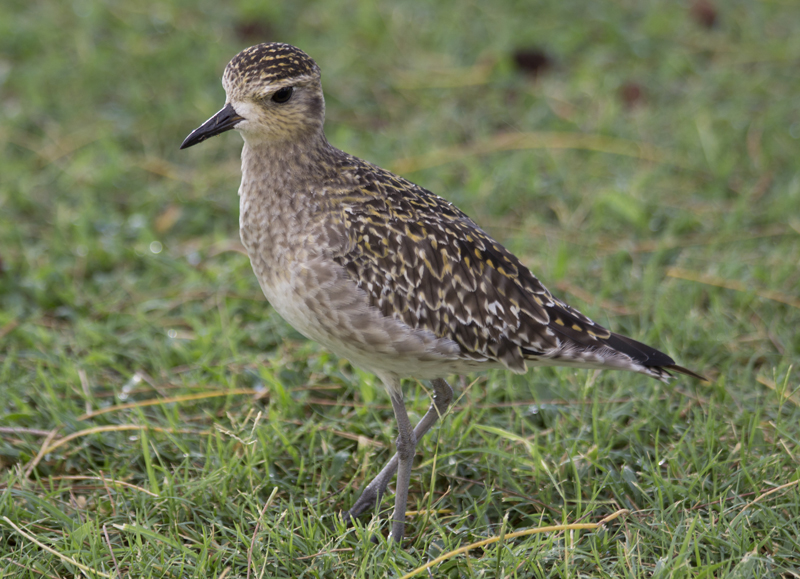
Understanding the journey of the Pacific golden plover highlights the interconnectedness of ecosystems along the Pacific Flyway. These birds rely on stopover habitats across the flyway, including Washington’s coastal wetlands and estuaries, where they rest and refuel before continuing their migration.
What is the Pacific Flyway?
The Pacific Flyway is a major north-south migration corridor used by birds traveling between breeding and wintering grounds. This route follows the western coast of North America, encompassing a wide range of ecosystems that offer vital stopover points for resting, feeding, and nesting. Washington, with its varied landscapes and rich biodiversity, is a key link in this chain, supporting species like waterfowl, shorebirds, raptors, and songbirds.
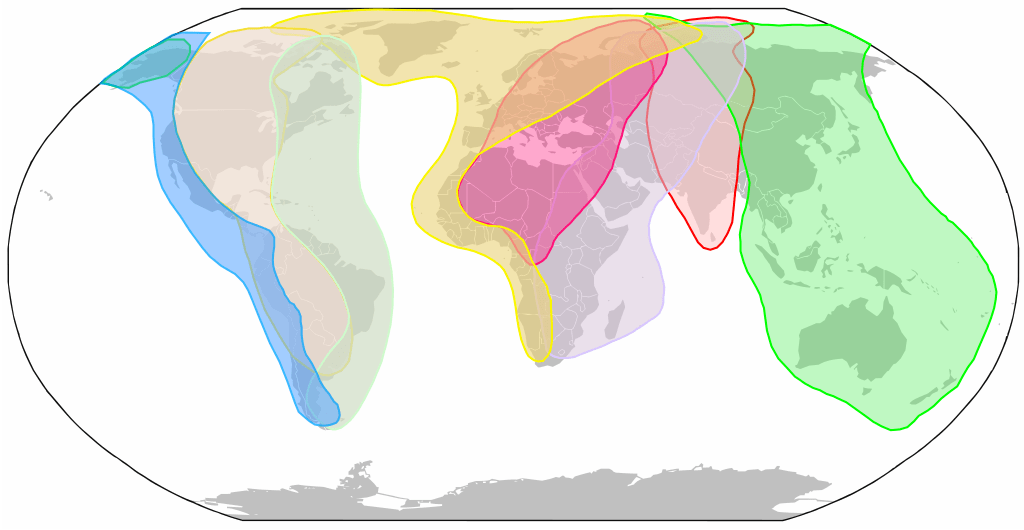
Washington’s Ecosystems Along the Flyway
Washington State’s diverse ecosystems play a crucial role in supporting migratory bird populations. As outlined previously in our Washington Natural Habitat post, these landscapes provide essential resources, including food, shelter, and breeding grounds, critical for avian survival. Here’s a look at how the state’s five major ecosystems contribute to the Pacific Flyway:
1. Coastal and Marine Ecosystems
- Key Habitat: Estuaries, coastal wetlands, and beaches serve as vital feeding and resting areas for shorebirds and waterfowl.
- Notable Washington Locations: Grays Harbor National Wildlife Refuge, Willapa National Wildlife Refuge.
- Audubon’s Birding Loop Map: Puget Loop
- Species of Interest: Western sandpiper, dunlin, marbled murrelet, brown pelican.
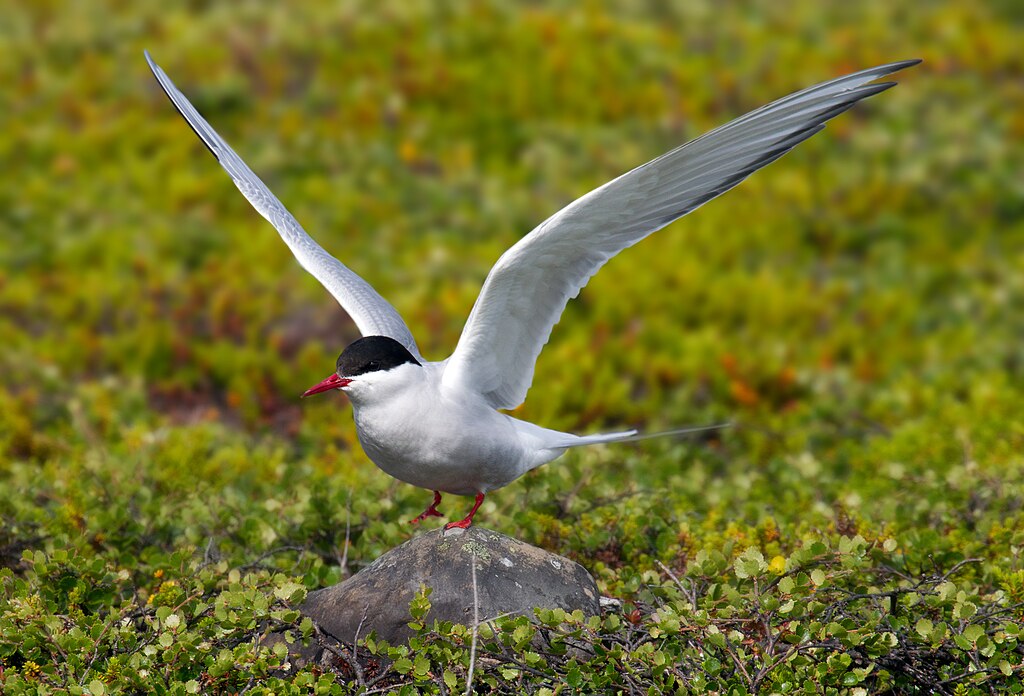
Featured Species: Arctic Tern – This species undertakes one of the longest migrations of any bird, traveling approximately 24,000 miles annually. While not wintering in Washington, Arctic terns utilize the state’s coastal areas, including Olympic National Park (https://www.nps.gov/olym/index.htm), as migratory stopover points.
Federal Status: Not listed under the Endangered Species Act. Protected under the Migratory Bird Treaty Act. Source: U.S. Fish & Wildlife Service – Migratory Bird Program
2. Temperate Rainforests
- Key Habitat: Old-growth forests provide nesting sites and food sources for migratory songbirds and raptors.
- Notable Washington Locations: Olympic National Park, Quinault Rainforest.
- Audubon’s Birding Loop Map: Olympic Loop
- Species of Interest: Varied thrush, Pacific wren, northern spotted owl.
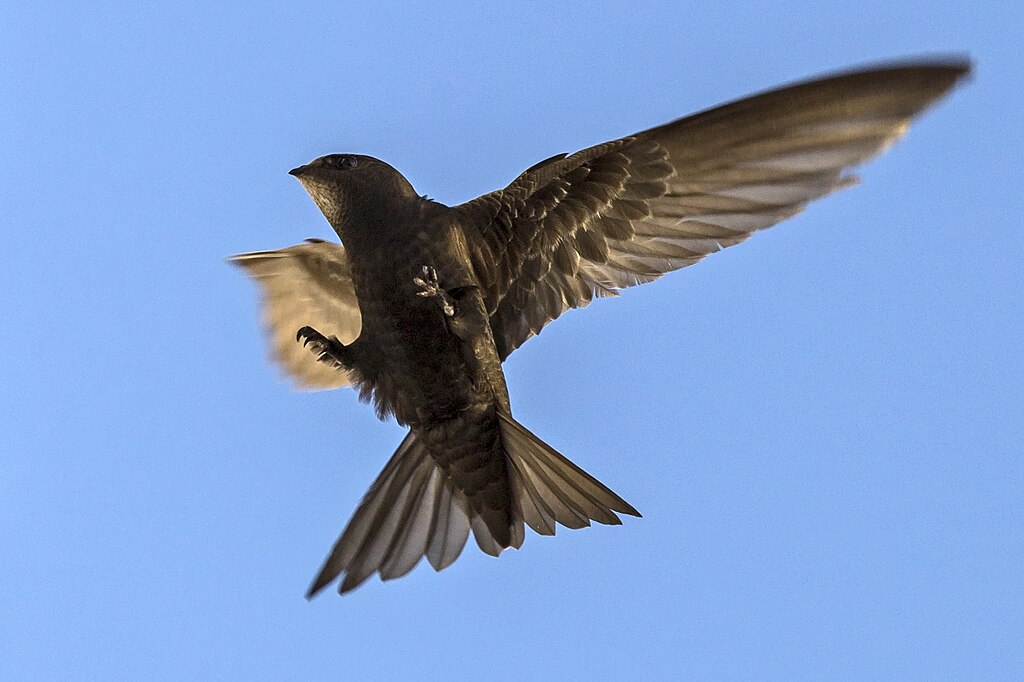
Featured Species: Black Swift – This species nests in the waterfalls and cliffs of the Pacific Northwest and migrates to the Amazon basin for winter. Due to habitat loss and declining populations, it is considered a species of concern.
Federal Status: Not listed under the Endangered Species Act. Protected under the Migratory Bird Treaty Act. Source: U.S. Fish & Wildlife Service – Migratory Bird Program
3. Mountains and Alpine Zones
- Key Habitat: High-elevation meadows and ridgelines function as migration corridors for raptors and songbirds.
- Notable Washington Locations: Mount Rainier National Park.
- Audubon’s Birding Loop Map: Cascade Loop
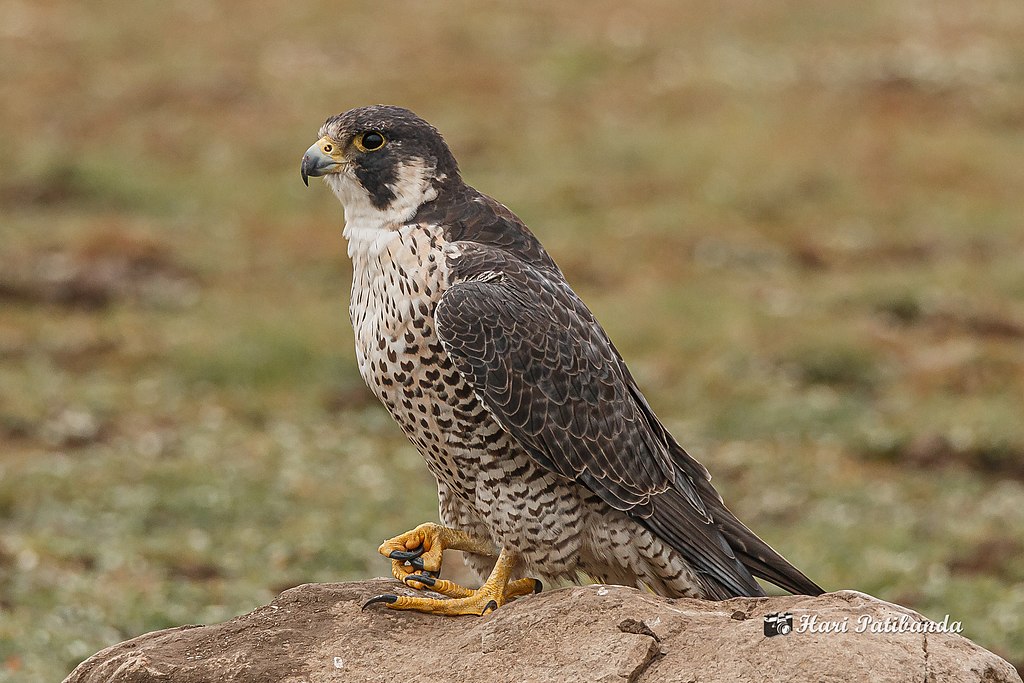
- Species of Interest: Golden eagle, peregrine falcon, Clark’s nutcracker
Featured Species: Peregrine Falcon – This species undertakes extensive migrations between Arctic breeding sites and South American wintering grounds. While previously listed as endangered, successful recovery efforts have led to their delisting.
Federal Status: Delisted from the Endangered Species Act. Protected under the Migratory Bird Treaty Act. Source: U.S. Fish & Wildlife Service – Peregrine Falcon
4. Shrub-Steppe and Grasslands
- Key Habitat: Open landscapes provide breeding grounds for grassland birds and wintering sites for raptors.
- Notable Washington Locations: Columbia National Wildlife Refuge, Turnbull National Wildlife Refuge .
- Audubon’s Birding Loop Map: Sun & Sage | Palouse to Pines | Coulee Corridor
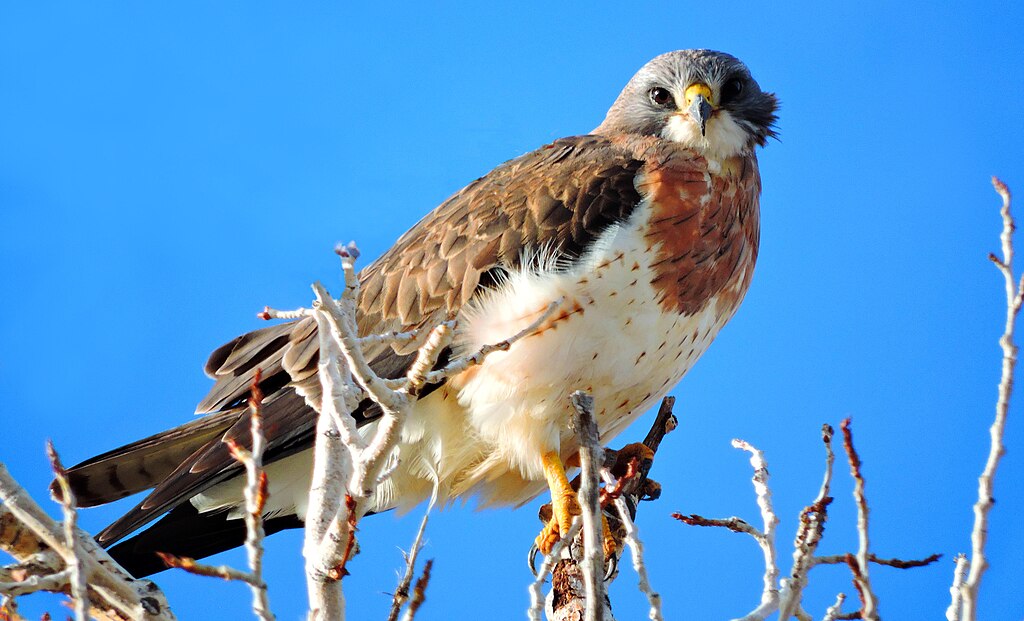
- Species of Interest: Sage grouse, short-eared owl, Swainson’s hawk.
Featured Species: Swainson’s Hawk – This raptor migrates from breeding grounds in Washington’s grasslands to wintering grounds in Argentina.
Federal Status: Not listed under the Endangered Species Act. Protected under the Migratory Bird Treaty Act. Source: U.S. Fish & Wildlife Service – Migratory Bird Program
5. Freshwater and Riparian Zones
- Key Habitat: Rivers, lakes, and wetlands offer critical feeding and nesting areas for waterfowl and migratory shorebirds.
- Notable Washington Locations: Skagit Wildlife Area, Columbia River Basin.
- Audubon’s Birding Loop Map: Southwest Loop
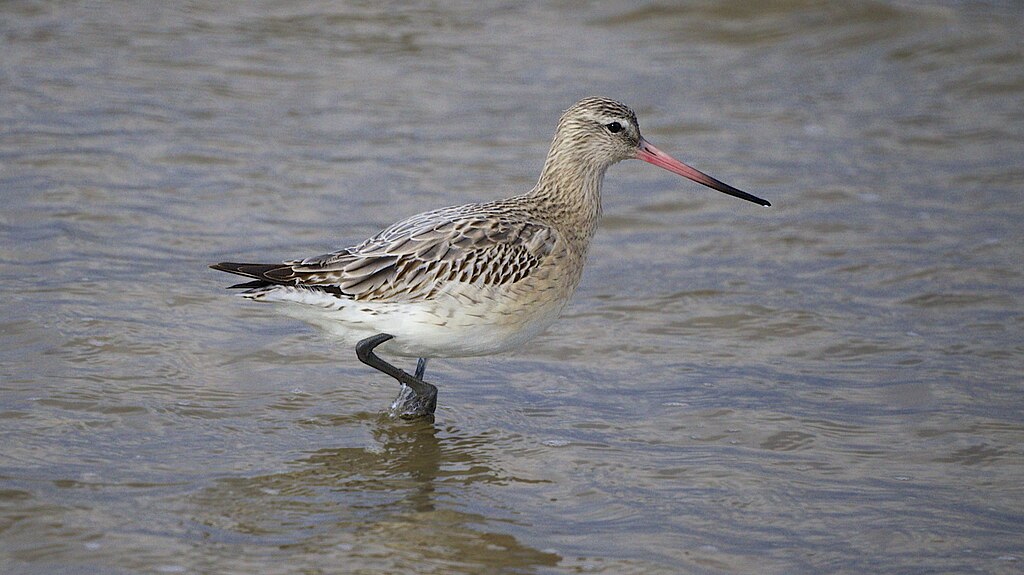
- Species of Interest: Trumpeter swan, American white pelican, great blue heron.
Featured Species: Bar-tailed Godwit – This shorebird is known for its remarkable long-distance flights, with some individuals migrating from Alaska to New Zealand.
Federal Status: Not listed under the Endangered Species Act. Protected under the Migratory Bird Treaty Act. Source: U.S. Fish & Wildlife Service – Migratory Bird Program
Notable Places and Dates to View Migrations
Washington offers prime birdwatching opportunities during migration seasons, with several key locations providing optimal viewing:
- Grays Harbor National Wildlife Refuge (April-May, September-October): A critical stopover for shorebirds, with up to one million birds passing through.
- Willapa National Wildlife Refuge (March-May, August-October): Home to a diverse array of waterfowl and shorebirds.
- Skagit Valley (November-March): Hosts thousands of snow geese and trumpeter swans during winter migrations.
- Billy Frank Jr. Nisqually National Wildlife Refuge (Year-round, peak in spring and fall): An excellent site for observing a variety of migratory birds.
- Columbia National Wildlife Refuge (March-May, September-November): Important for waterfowl and songbird migrations in eastern Washington.
Birdwatching Festivals
Washington also hosts several birdwatching festivals that celebrate migration and conservation efforts:
- Othello Sandhill Crane Festival (March-April): Held in Othello, this festival celebrates the annual migration of sandhill cranes through eastern Washington. Visitors can take guided tours and learn about these magnificent birds.
- Grays Harbor Shorebird Festival (April-May): A premier event for shorebird migration, featuring birdwatching tours, educational exhibits, and conservation discussions.
- Puget Sound Bird Fest (September): Focused on birds of the Puget Sound region, this festival offers guided walks, expert presentations, and birdwatching activities.
These locations and events offer bird enthusiasts an opportunity to witness the incredible migrations along the Pacific Flyway, providing both recreational and conservation awareness benefits.
Nature Art
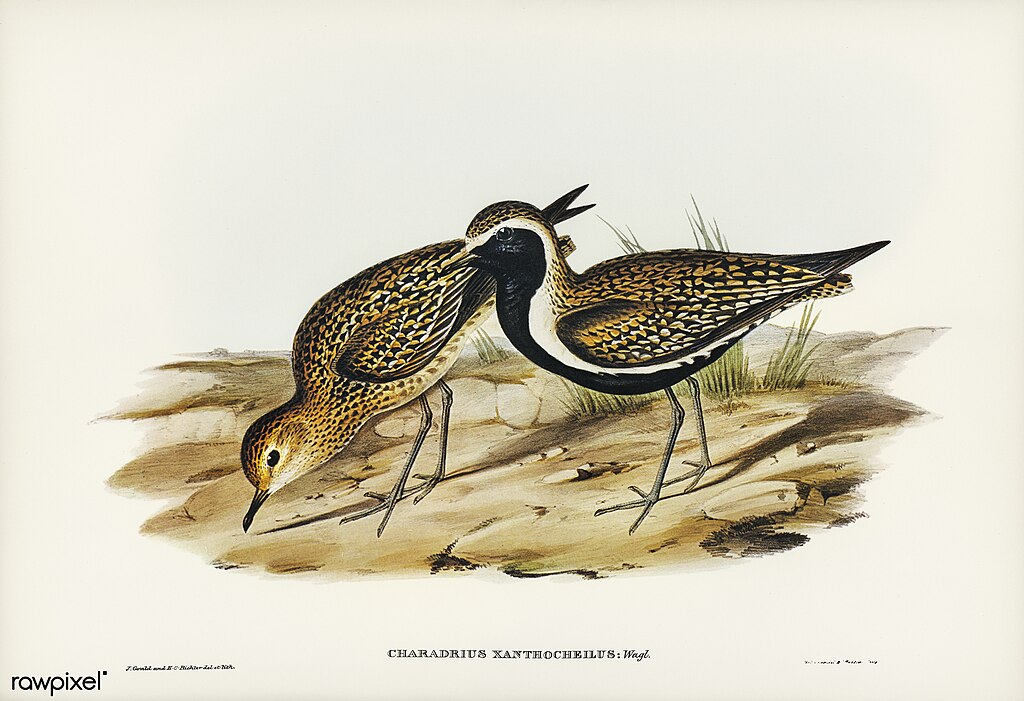
In Elizabeth Gould’s lithograph from The Birds of Australia (1840–1848), the Australian Golden Plover (Pluvialis fulva) is rendered with remarkable precision and artistry. The illustration showcases the bird’s distinctive golden-spotted plumage, slender proportions, and alert stance, reflecting both anatomical accuracy and the aesthetic sensitivity characteristic of Gould’s ornithological work. Originally referred to as the Australian Golden Plover, the species is now recognized as the Pacific Golden Plover, reflecting its broader migratory range across the Pacific region.
References
Audubon Society. (n.d.). Provides research on at-risk species and habitat protection initiatives. Retrieved from https://www.audubon.org
Birdwatching Organizations & Local Conservation Groups. (n.d.). Offer reports on population trends and protected areas in Washington.
Cornell Lab of Ornithology. (n.d.). Features eBird, a platform for bird observation data and research. Retrieved from https://www.ebird.org
National Park Service. (n.d.). Supplies information related to wildlife within national parks. Retrieved from https://www.nps.gov
Othello Sandhill Crane Festival, Grays Harbor Shorebird Festival, Puget Sound Bird Fest. (n.d.). Details event schedules and insights into bird migration.
The Nature Conservancy. (n.d.). Focuses on conservation efforts and habitat preservation in Washington. Retrieved from https://www.nature.org
U.S. Congress. (1918). Migratory Bird Treaty Act, 16 U.S.C. §§ 703-712. Retrieved March 11, 2025, from https://uscode.house.gov/view.xhtml?path=/prelim@title16/chapter7/subchapter2&edition=prelim
U.S. Fish and Wildlife Service. (n.d.). 50 CFR 10.13 — List of Birds Protected by the Migratory Bird Treaty Act. Retrieved March 11, 2025, from https://www.ecfr.gov/current/title-50/chapter-I/subchapter-B/part-10/subpart-B/section-10.13
U.S. Forest Service. (n.d.). A field guide to insects and diseases of California oaks (Publication No. STELPRDB5182062). U.S. Department of Agriculture, Forest Service, Pacific Southwest Region. Retrieved March 11, 2025, from https://www.fs.usda.gov/Internet/FSE_DOCUMENTS/stelprdb5182062.pdf
Washington Department of Fish & Wildlife. (n.d.). Retrieved March 10, 2025 from https://www.wdfw.wa.gov
Image References
Gould, E. (1840–1848). Australian Golden Plover [Hand-colored lithograph]. In J. Gould, The Birds of Australia. London: Published by the author. Rawpixel, CC BY-SA 4.0 https://creativecommons.org/licenses/by-sa/4.0, via Wikimedia Commons. Retrieved April 28, 2025, from https://commons.wikimedia.org/wiki/File:Bird_illustration_by_Elizabeth_Gould_for_Birds_of_Australia,_digitally_enhanced_from_rawpixel%27s_own_facsimile_book446.jpg
Keen, B. (2012). A Pacific Golden Plover, photographed near Kapaa, Kauai, Hawai [photograph], CC BY-SA 3.0 https://creativecommons.org/licenses/by-sa/3.0, via Wikimedia Commons. Retrieved March 11, 2025, from https://commons.wikimedia.org/wiki/File:Pacific_Golden_Plover.jpg
Kirk, I. (2013). Bar-tailed Godwit at Sandbanks in Poole harbour [photograph], CC BY 2.0 https://creativecommons.org/licenses/by/2.0, via Wikimedia Commons. Retrieved March 11, 2025, from https://commons.wikimedia.org/wiki/File:Bar-Tailed_Godwit_%288446871159%29.jpg
Myers, P. / NPS (2016). Swainson’s Hawk at Sand Dunes National Park and Preserve [photograph], CC BY 2.0 https://creativecommons.org/licenses/by/2.0, via Wikimedia Commons. Retrieved March 11, 2025, from https://commons.wikimedia.org/wiki/File:Swainson%27s_Hawk_%2826508098980%29.jpg
Patibanda, H. (2020). A relaxed peregrine falcon [photograph], CC BY 2.0 https://creativecommons.org/licenses/by/2.0, via Wikimedia Commons. Retrieved March 11, 2025, from https://commons.wikimedia.org/wiki/File:A_Relaxed_Peregrine_Falcon_%2849524471588%29.jpg
Pinpin (2007). Main international flyways of bird migration [image]. CC BY-SA 3.0. Retrieved March 10, 2025 from https://creativecommons.org/licenses/by-sa/3.0, via Wikimedia Commons
Sokolov, A. (2019). Common Swift (Apus apus) flying to the nest [photograph], CC BY-SA 4.0 https://creativecommons.org/licenses/by-sa/4.0, via Wikimedia Commons. Retrieved March 11, 2025, from https://commons.wikimedia.org/wiki/File:Common_Swift_Apus_apus.jpg
Trepte, A. (2011). Arctic Tern [photograph], CC BY-SA 2.5 https://creativecommons.org/licenses/by-sa/2.5, via Wikimedia Commons. Retrieved March 11, 2025, from https://commons.wikimedia.org/wiki/File:Arctic_Tern.jpg

 wild sprout


You must be logged in to post a comment.