“The country through which I have passed is covered with the richest and most luxuriant forests I ever saw. The timber is of great size and variety, and the whole scene is one of the grandest and most magnificent which nature can exhibit.”
-David Douglas, Journal of a Voyage to the North Pacific (1829)
Washington State presents a breathtaking mosaic of ecosystems, a true testament to nature’s diversity. From lush rainforests to expansive shrubsteppe, each region holds a unique blend of life, resources, and cultural heritage. We’ve categorized the state into five major ecological zones, recognizing the dominant ecosystem in each county, despite their inherent diversity. Join us as we delve into these captivating regions, uncovering their geographical locations, resident species, valuable resources, human communities, and the vital conservation work underway.

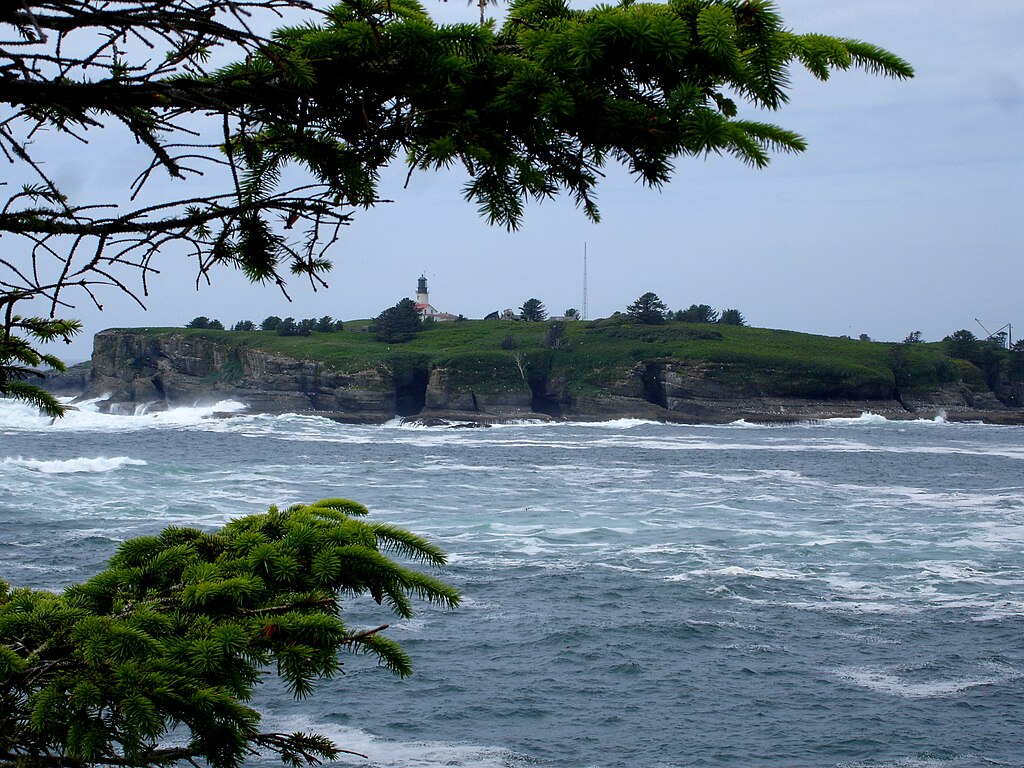
1. Coastal & Marine Ecosystems
Location: Spanning the northwest corner along the Pacific Ocean, including the Olympic Peninsula, the Pacific Coastline, the San Juans, and the Straight of Juan de Fuca.
Counties: Pacific, Wahkiakum, San Juan, Island, Kitsap, the Pacific coastlines of Clallam, Jefferson, Grays Harbor, and the Puget Sound coastlines of Whatcom, Skagit, Snohomish, King, Pierce, Mason, Thurston.
Description: Coastal ecosystems feature sandy beaches, estuaries, and rocky shores. These areas are shaped by the interaction of ocean tides and terrestrial habitats, creating environments rich in marine and bird life.

Natural Resources: Fisheries, tidal energy, shellfish, kelp forests
Economic Benefits: Fishing industry, tourism, port industries, shellfish harvesting
Demographics: Coastal communities, Indigenous populations, dense urban populations along Puget Sound
Indigenous Tribes and History: The Makah, Quileute, Quinault, and Coast Salish tribes have relied on marine resources for thousands of years, practicing sustainable fishing and canoe-based trade networks.
Endangered Species: Western snowy plover, tufted puffin, sea otter, Southern resident orcas, Chinook salmon, giant Pacific octopus
Interesting Park: Olympic National Park – Protects vast coastal habitats, including tide pools, rugged shorelines, and marine wildlife.
Conservation Efforts and Concerns: Coastal erosion, rising sea levels, pollution, and habitat destruction threaten biodiversity. Restoration projects focus on estuary conservation, sustainable fisheries, marine sanctuary protections, and eelgrass bed restoration.
Showcase Geologic Feature: Cape Flattery – The northwesternmost point of the contiguous United States, featuring rugged cliffs, sea caves, and diverse marine life.
2. Temperate Rainforests
Location: Mainly on the Olympic Peninsula in the far west of the state.
Counties: Clallam, Grays Harbor, Jefferson, Mason.
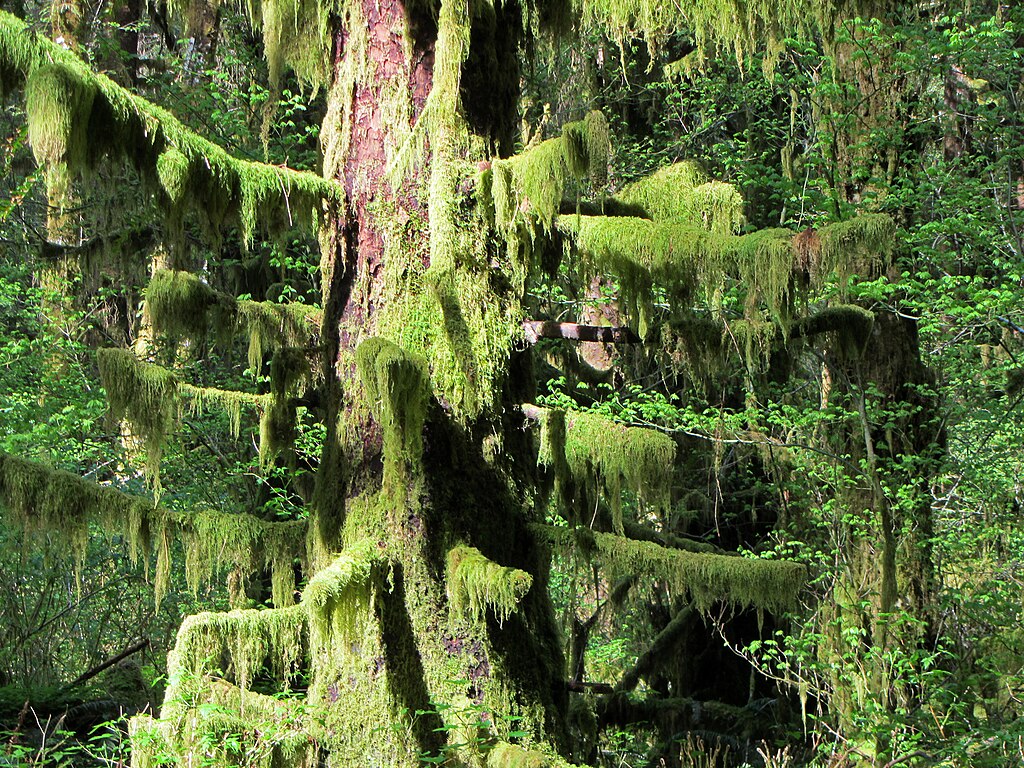
Description: These lush forests receive over 140 inches of rain annually, creating an environment with towering Sitka spruces, thick moss, and a magical green canopy.

Natural Resources: Timber, freshwater, biodiversity
Economic Benefits: Forestry, tourism, research
Demographics: Small rural towns, Indigenous communities
Indigenous Tribes and History: The Hoh and Quinault peoples have lived here for generations, managing the land through traditional ecological knowledge and sustainable forestry.
Endangered Species: Northern spotted owl, marbled murrelet, Pacific fisher
Interesting Park: Bogachiel State Park – A lesser-known but stunning rainforest park that offers a glimpse into the lush, moss-covered landscape of Washington’s temperate rainforests.
Conservation Efforts and Concerns: Deforestation and climate change impact biodiversity. Protected areas like Olympic National Park play a crucial role in conservation, alongside sustainable logging practices.
Showcase Geologic Feature: Hoh Rainforest – The rainforest is not a geologic feature, rather it is a product of the area’s geology. It’s one of the world’s most famous temperate rainforests, known for its dense moss-covered trees and high rainfall.
3. Mountains and Alpine Zones
Location: The Cascades and Olympic mountain ranges, spanning central and northern Washington.
Counties: Chelan, Kittitas, Okanogan, Ferry, Stevens, Pend Orielle. Also a portion of Pierce County for Mount Rainier.
Description: Rugged peaks, alpine meadows, glaciers, and steep valleys define these zones. The region offers breathtaking landscapes and high-altitude habitats.

Natural Resources: Freshwater, minerals, timber
Economic Benefits: Outdoor recreation, hydropower, tourism
Demographics: Sparsely populated, home to outdoor enthusiasts
Indigenous Tribes and History: The Yakama, Wenatchi, and Snoqualmie peoples used these mountains for hunting, trade, and cultural practices, honoring sacred peaks and alpine meadows.
Endangered Species: Canada lynx, wolverine, mountain caribou
Interesting Park: North Cascades National Park – a rugged wilderness for the outdoor enthusiast, known for its jagged peaks, glaciers, alpine lakes, and diverse ecosystems, offering stunning scenery and remote outdoor adventures.
Conservation Efforts and Concerns: Climate change is impacting glaciers and water sources. Conservation initiatives focus on protecting wildlife corridors and maintaining watershed health.
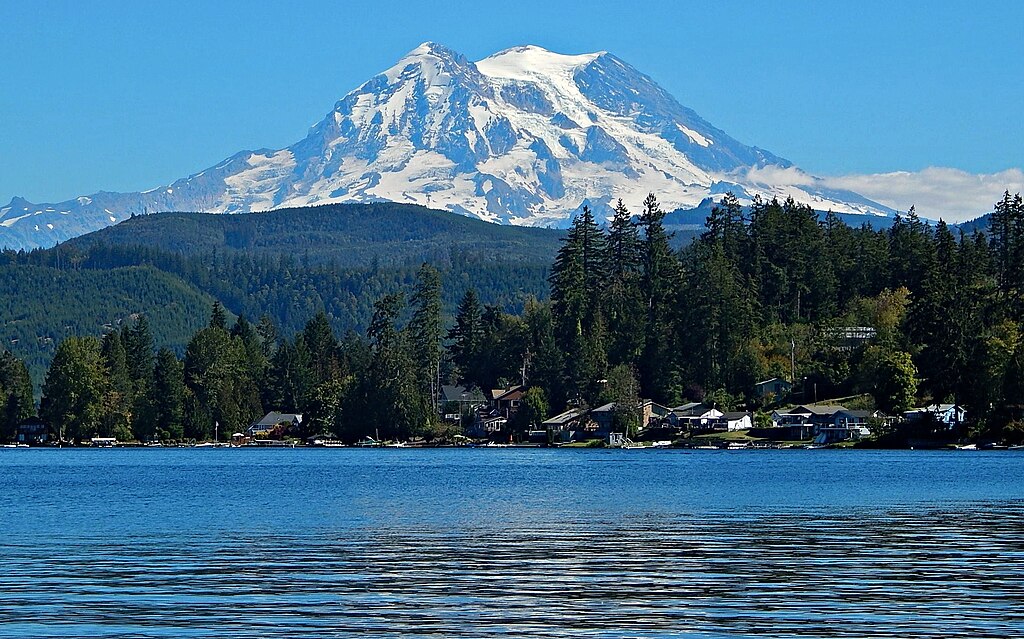
Showcase Geologic Feature: Mount Rainier – The highest peak in Washington, featuring glaciers, alpine meadows, and an active stratovolcano.
4. Shrubsteppe and Grasslands
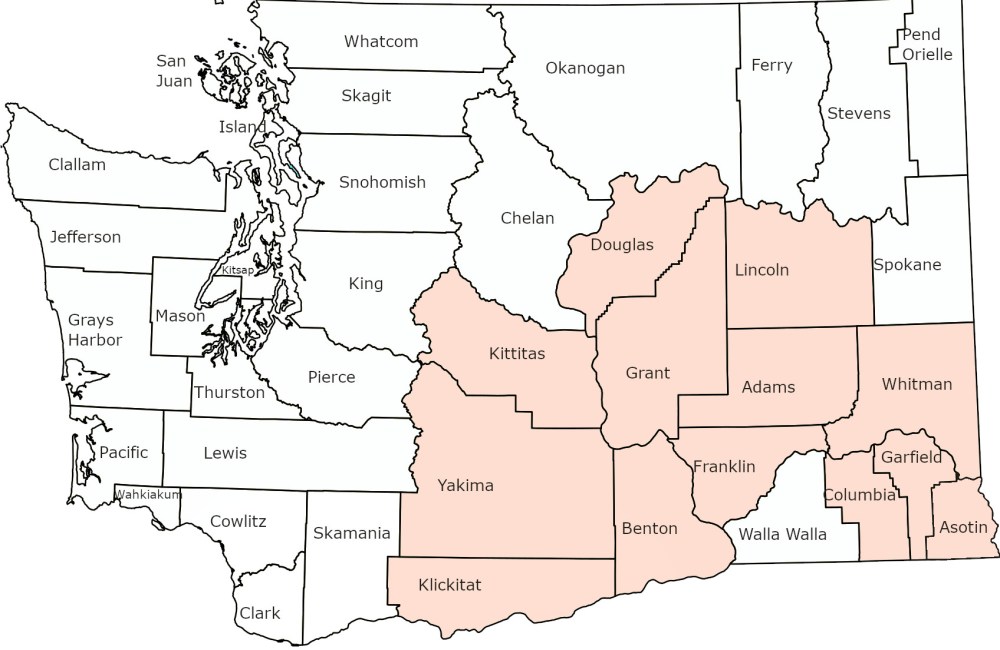
Location: Eastern Washington, including the Columbia Basin and areas east of the Cascades.
Counties: Douglas, Kittitas, Yakima, Klickitat, Grant, Benton, Lincoln, Adams, Franklin, Whitman, Garfield, Columbia, Asotin.
Description: This arid landscape features sagebrush, bunchgrass, and rolling plains, with a unique ecosystem adapted to dry yet fertile conditions.
Natural Resources: Agricultural land, rangeland, biodiversity
Economic Benefits: Farming, cattle ranching, viticulture
Demographics: Rural farming communities, Indigenous populations
Indigenous Tribes and History: The Wanapum and Palus people lived here, relying on the Columbia River for sustenance and trade.
Endangered Species: Sage-grouse, pygmy rabbit, Washington ground squirrel
Interesting Park: Steptoe Butte State Park – Offers panoramic views of the rolling Palouse hills, an iconic shrub-steppe and grassland ecosystem.
Conservation Efforts and Concerns: Habitat loss due to agriculture and invasive species are the major concerns. Conservation groups work to restore native grasses and implement sustainable grazing.
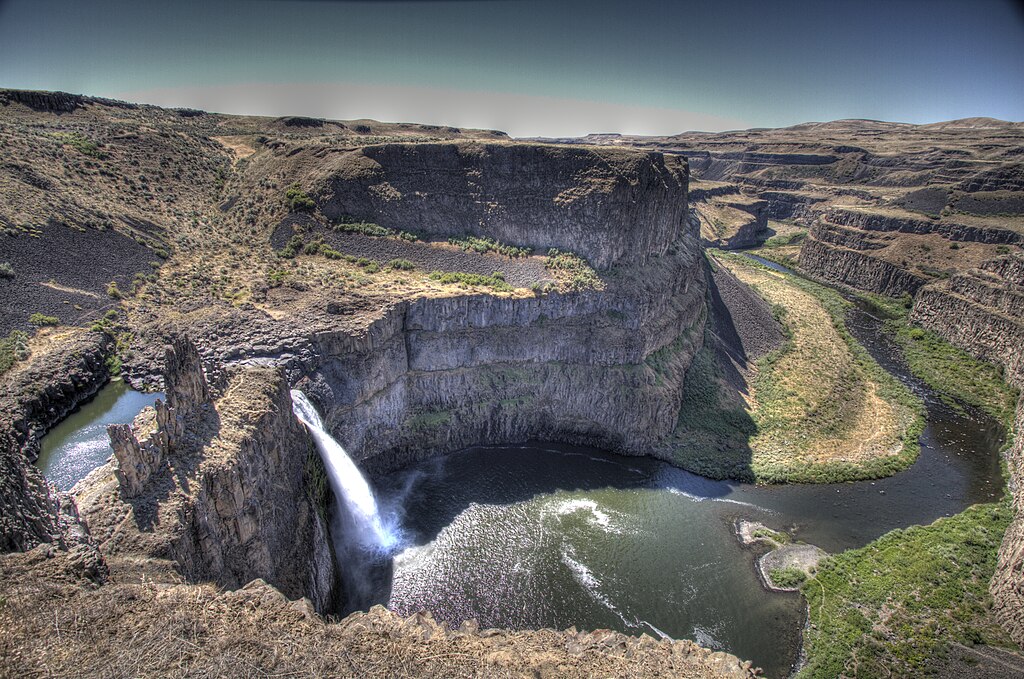
Showcase Geologic Feature: Palouse Falls – A dramatic waterfall in the heart of Eastern Washington’s rolling grasslands, formed by Ice Age floods.
5. Freshwater and Riparian Zones
Location: Found across the state, including major rivers like the Columbia, Snake, and Skagit, as well as numerous wetlands and floodplains.
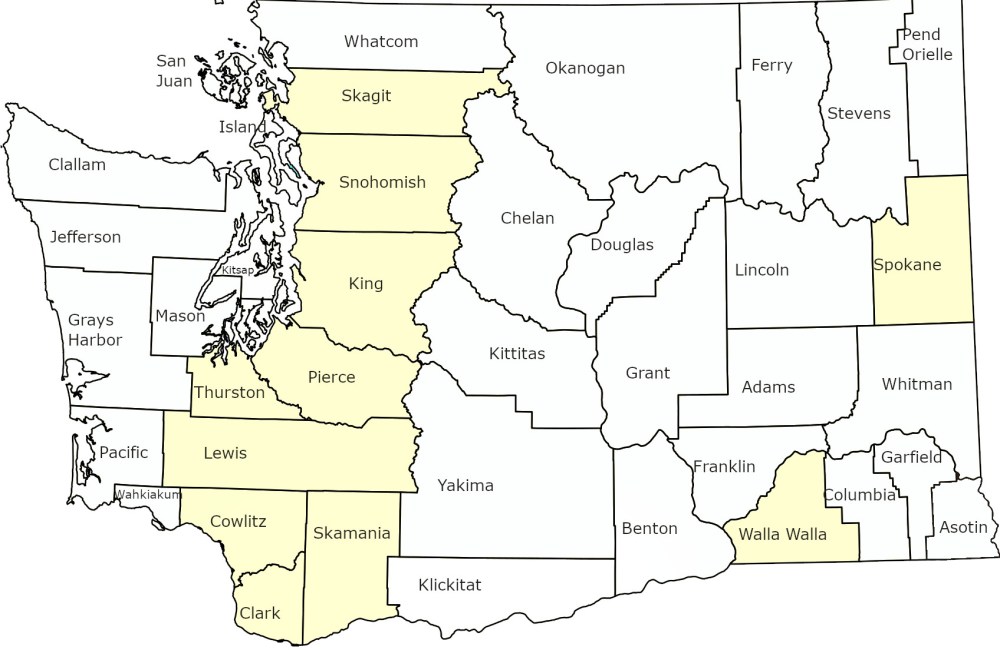
Counties: All 39 counties have some freshwater ecosystem. Counties with this as their primary ecosystem: Skagit, Snohomish, King, Pierce, Thurston, Lewis, Cowlitz, Clark, Skamania, Spokane, Walla Walla.
Description: Freshwater ecosystems support fish migration, amphibian life cycles, and bird populations. These zones are critical lifelines for biodiversity.
Natural Resources: Freshwater, fish populations, wetlands
Economic Benefits: Fishing, hydropower, irrigation
Demographics: Rural and urban populations rely on freshwater resources
Indigenous Tribes and History: Tribes like the Tulalip, Cowlitz, Snoqualmie, and Yakama depend on salmon fishing as a central cultural and economic practice, with traditional fishing rights protected by treaties.
Endangered Species: Chinook salmon, bull trout, western pond turtle
Interesting Park: Lake Roosevelt National Recreation Area – Protects a vast section of the Columbia River, supporting riparian habitats and freshwater conservation.
Conservation Efforts and Concerns: Dams and pollution impact aquatic ecosystems. Fish restoration projects and wetland conservation initiatives aim to improve water quality.
Showcase Geologic Feature: Columbia River – The largest river in the Pacific Northwest, crucial for hydroelectric power, irrigation, and salmon migration.

Conservation Challenges and Efforts in Washington
Washington’s diverse ecosystems face numerous environmental challenges, including habitat destruction, climate change, and urban development. However, state-led initiatives, tribal stewardship, and grassroots conservation organizations work tirelessly to protect these landscapes. Programs focusing on sustainable forestry, wetland restoration, and salmon recovery exemplify the state’s commitment to ecological preservation.
How You Can Help
- Support local conservation organizations and Indigenous-led environmental initiatives.
- Reduce waste and pollution, particularly in marine and freshwater ecosystems.
- Participate in habitat restoration efforts or citizen science programs.
- Advocate for policies that prioritize sustainable land and resource management.
By fostering awareness and responsible stewardship, we can ensure that Washington’s natural beauty and biodiversity thrive for future generations.
References and Further Reading
For in-depth information on Washington’s ecosystems, conservation efforts, and Indigenous stewardship, explore the following resources:
Government Agencies and Conservation Organizations
- Washington Department of Fish and Wildlife (WDFW) – Offers extensive information on endangered species, habitat restoration, and conservation programs across the state.
- U.S. Fish and Wildlife Service – Endangered Species – A federal resource detailing species recovery plans, legal protections, and conservation efforts.
- Washington Native Plant Society – Dedicated to preserving Washington’s native plant species and their habitats.
- Washington State Recreation and Conservation Office (RCO) – Provides insights into state-funded conservation projects and outdoor recreation initiatives.
- Puget Sound Partnership – Focused on marine conservation, habitat restoration, and the recovery of Southern Resident Orcas.
National Parks and Natural Features
- National Park Service – Olympic National Park – Detailed information on one of the most iconic temperate rainforests in the U.S., featuring old-growth forests, diverse wildlife, and conservation efforts.
Tribal and Indigenous Resources
- Washington Tribes – A directory of Washington’s tribal nations, highlighting their environmental stewardship and cultural ties to the land.
Scientific Research and Data
- Washington State Department of Ecology – Information on environmental policies, water quality, and conservation initiatives.
- US Geological Survey (USGS) Washington Data – Insights into natural resource management, geological features, and ecosystem research.
These resources offer valuable insights into the ongoing efforts to protect Washington’s ecosystems, ensuring their sustainability for future generations.
References
Ajaj, A. (2018). Sunrise at Columbia River and Wintler Park in Washington [Photograph]. Wikimedia Commons. Retrieved March 9, 2025 from, https://commons.wikimedia.org/wiki/File:Sunrise_at_Columbia_River_and_Wintler_Park_in_Washington_1.jpg
Douglas, D. (1914). David Douglas: Botanist and explorer—his life and letters (J. D. Hooker, Ed., pp. 152). William Wesley & Son. (Original work published 1829)
MacKenzie, W. (2013). Cape Flattery Lighthouse [Photograph]. Wikimedia Commons. Retrieved March 9, 2025 from, https://commons.wikimedia.org/wiki/File:Cape_Flattery_Lighthouse_%2810629714163%29.jpg
Smith, I. (2021). Shadow Lake – Mt. Rainier National Park [photograph]. Retrieved March 10, 2025, from https://pixabay.com/photos/rainier-nature-mountain-scenic-9460102/
USDA Forest Service. (2008). Mount Rainier from Clear Lake, Washington [Photograph]. Wikimedia Commons. Retrieved March 9, 2025 from, https://commons.wikimedia.org/wiki/File:Mount_Rainier_from_Clear_Lake,_Washington.jpg
Wolcott, K. (2014). Hoh Rain Forest at Olympic National Park in Washington 1 [Photograph]. Wikimedia Commons. Retrieved March 9, 2025 from, https://commons.wikimedia.org/wiki/File:Hoh_Rain_Forest_at_Olympic_National_Park_in_Washington_1.jpg

 wild sprout


One Comment
Comments are closed.